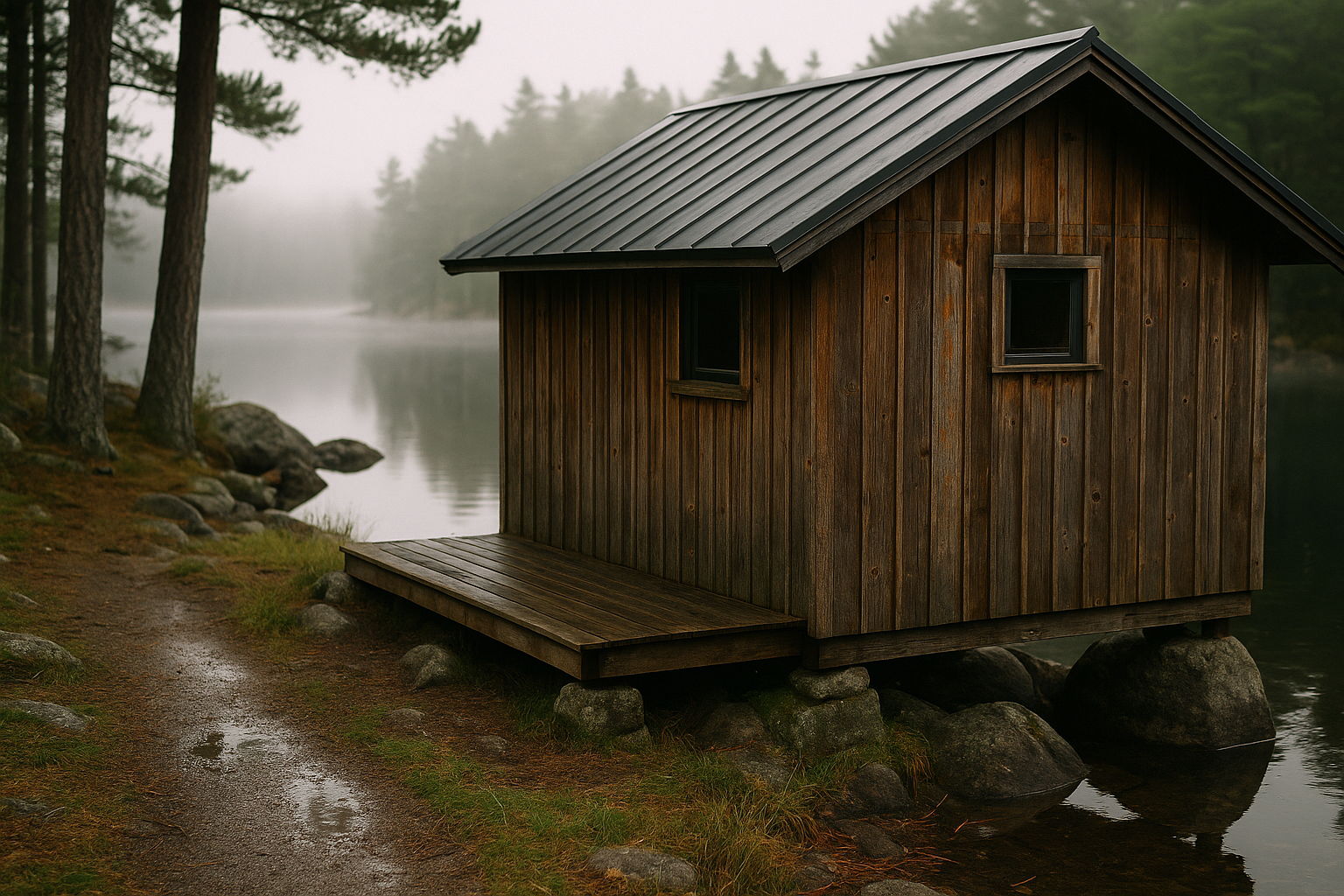
Ready-to-Go Cabins Explained: Prefabricated Cabins, Modular Cabins, and Cabin Kit Options
Introduction and Outline: Why Ready-to-Go Cabins Are Gaining Ground
Across rural hideaways, lakeside plots, and backyard guest spaces, interest in quick-to-deploy cabins is rising for practical reasons: predictable timelines, controlled factory quality, and lower site disruption. Many buyers compare prefabricated cabins with traditional site-built structures and discover appealing trade-offs—especially for remote parcels where weather and labor access complicate scheduling. With more people seeking flexible spaces for work, retreat, or multigenerational living, ready-to-go options offer a way to start using a building in weeks rather than seasons.
Costs vary by region, code requirements, access roads, and finish levels, but a simple turn-key cabin can land within a wide bracket when compared to custom builds, thanks to factory repetition and reduced waste. Manufacturing often runs four to twelve weeks, with on-site setup spanning a few days to several weeks depending on foundation type, utility connections, and inspections. Transport logistics require attention to height, width, and route permitting, and site prep must be coordinated well ahead of delivery day.
To make this guide easy to use, here’s a quick outline of what follows and how it supports your decision-making:
• Types and methods: the main construction pathways and how they differ in assembly, codes, and performance.
• Delivery and setup: what happens from the factory gate to your foundation, including craning and utility tie-ins.
• Budgets and timelines: realistic ranges, common line items, and tips to reduce surprises.
• Design and comfort: layout strategies for compact, practical living and durable finishes for real-world conditions.
• Permits, siting, and checklists: local rules, hazard planning, and an end-to-end purchase walkthrough.
Use this outline as a map. Start with the construction method that matches your goals, sanity-check your site and permitting path, and build a budget that includes not just the structure but also the “invisible” scope many folks overlook—roads, trenches, inspections, and contingency. By the end, you’ll have a framework to weigh speed against customization and to move from browsing to choosing with confidence.
How Factory-Built Methods Work: Structure, Delivery, and On-Site Finish
At the heart of modern cabin delivery are precision-controlled fabrication environments. Components are cut, assembled, and dried under roof, which helps achieve tighter tolerances and reduces waste. Weather delays become less of a factor, and quality checks can be performed repeatedly at each station. This consistency shows up in square corners, properly flashed openings, and well-detailed building envelopes that resist air and water intrusion—key for comfort and long-term durability in cold, wet, or high-wind locales.
Some projects ship as single-piece shells that arrive nearly complete, while others are transported in sections and stitched together on-site. The latter approach, common for modular cabins, allows wider floor plans, vaulted ceilings, and flexible room layouts without oversize transport headaches. Your foundation options range from concrete piers and slabs to helical piles and engineered skids, each with trade-offs in frost resistance, cost, and speed. Regardless of foundation, plan for accurate elevations, level surfaces, and anchor points that match the factory’s drawings exactly.
Before delivery day, coordinate the route: inspect bridge clearances, tight turns, seasonal weight restrictions, and soft shoulders. If a crane is needed, confirm set radius, ground bearing capacity, and a staging area free of overhead lines. Utility planning deserves equal focus—conduit locations, meter bases, septic or sewer hookups, water line depths, and ventilation terminations all benefit from site visits with your trades. Good preconstruction coordination accelerates inspections, shortens punch lists, and keeps temporary weather protection from dragging out.
To keep expectations aligned, ask your provider for a detailed scope matrix that clarifies factory responsibilities versus site work. A few helpful prompts:
• Which components ship installed, and which arrive boxed for on-site finish?
• What is the tested insulation value of walls, floors, and roofs, and does it match your climate zone?
• How are window and door openings flashed and air-sealed?
• What is the documented structural rating for snow, wind, and seismic loads?
• Which warranties are offered for structure, finishes, and mechanicals, and how are service calls handled?
Finally, budget time for commissioning—verifying that electrical circuits, plumbing, mechanical ventilation, and smoke/CO alarms operate as intended. These checks help catch minor issues before furniture arrives, and they set the tone for a low-maintenance start.
Budget, Timelines, and the DIY Question
Even with predictable fabrication, budget planning requires a full-picture view. The structure’s sticker price is only the beginning. Site conditions, distance from utilities, soil type, and local inspection steps can shift totals. A realistic budget breaks costs into buckets and assigns contingencies to each so that a surprise culvert, rock excavation, or permit delay doesn’t derail the schedule. If you’re considering cabin kits for a hands-on approach, weigh sweat equity against the need for experienced trades to meet code and maintain resale value.
Common cost components to plan for include:
• Structure: shell, interior finishes, doors/windows, and basic fixtures.
• Foundation: piers, slab, piles, or skids; excavation; footings; insulation where required.
• Site work: clearing, driveway upgrades, drainage, erosion control, and staging areas.
• Transport and set: trucking, escort vehicles (if needed), crane time, rigging crews.
• Utilities: trenching, conduits, meters, septic/tanks, water connections, power panels, and low-voltage runs.
• Permits and fees: building, electrical, plumbing, and any environmental or impact fees.
• Professional services: engineering stamps, surveys, energy modeling where applicable.
• Contingency: 10–20% for unknowns, scaled to site complexity.
Timeline snapshots help with planning. Fabrication often spans one to three months, while on-site work can take two to eight weeks depending on foundation cure time, weather, and inspector availability. DIY pathways may stretch schedules but can enable step-by-step payments and personalized finishes. Turn-key contracts can condense timelines yet may limit certain custom choices. Consider a hybrid: factory-built shell plus local finish carpentry, which can marry speed with craftsmanship.
To keep costs predictable:
• Lock a detailed spec early, and avoid midstream swaps that trigger change orders.
• Pre-purchase long-lead items (stoves, specialty windows, heat pumps) to dodge supply snags.
• Stage inspections efficiently by grouping tasks and prepping documentation in advance.
• Favor durable, low-maintenance materials—good flashing, robust roofing, and moisture-smart assemblies reduce future repairs.
Ultimately, choose a project delivery path that matches your capacity for coordination. Some owners love project management; others prefer a single point of accountability. Both can succeed with clear scope, realistic allowances, and honest buffers for the unknown.
Design, Comfort, and Space That Lives Larger
Good cabins don’t just look appealing in photos—they work in everyday life. That means a layout tuned to the way you move, store, cook, and relax, plus building assemblies that keep interiors dry, quiet, and energy-efficient in your climate. When evaluating small cabin designs, think in zones: a dry entry for muddy boots, a kitchen triangle that isn’t blocked by seating, a sleeping area that can be dark and quiet, and a bath with easy-to-clean surfaces. Doors, windows, and built-ins need to be scaled to the room so circulation stays clear and daylight reaches deep into the plan.
There’s a practical hierarchy to materials. On the weather side, prioritize a durable roof with well-detailed penetrations; on the wall plane, use robust flashing at openings and continuous air sealing. Inside, select floors that tolerate grit and paw traffic, and prioritize bath ventilation with quiet fans and short, straight duct runs to limit condensation. Acoustic comfort matters too; soft finishes, rugs, and strategic wall layers can tame echo in compact volumes.
Design tactics that pull extra value from each square foot include:
• Multifunction furniture: a bench with storage; a table that folds; a sofa that converts.
• Vertical organization: full-height cabinets, wall-mounted racks, and open shelves above door headers.
• Daylighting strategy: high windows or transoms for privacy with light, and deep overhangs for summer shading.
• Thermal comfort: right-sized heat pumps or stoves, tight envelopes, and zoned controls.
• Wet-area planning: curbless showers for easy cleaning and compact mechanical closets that remain serviceable.
A cabin should also fit its place. In snowy regions, consider steeper roof pitches, reinforced trusses, and protected entries. In hot climates, low-solar-gain glass, exterior shading, and cross-breezes are your allies. On coastal or high-wind sites, pay attention to uplift connections and corrosion-resistant fasteners. Finally, maintenance is a design choice—select stains, siding, and roofing you’re willing to refresh on a realistic cycle, then plan details (removable screens, accessible filters) that keep upkeep simple.
Permits, Siting, Hazards, and a Buyer’s Checklist
Regulations vary widely, so early conversations with the building department are essential. Zoning can dictate minimum sizes, setbacks from property lines or water, height limits, parking, and whether short-term rental is allowed. Building codes set structural, energy, and life-safety requirements; plan reviews may ask for sealed drawings, snow and wind load calculations, and energy compliance documentation. On some parcels, wildfire defensible space, flood elevations, wetlands setbacks, or erosion controls add additional layers.
Site selection and orientation shape comfort and long-term resilience. Think solar exposure for passive warmth, prevailing winds for cross-ventilation, and drainage that moves water away from foundations. Erosion-resistant driveways, modest slopes, and native vegetation simplify maintenance. Utility plans should be realistic: confirm well capacity or municipal water pressure, evaluate septic soils or sewer availability, and check power capacity for your chosen heating and hot water systems. Where conventional systems are not feasible, explore code-compliant alternatives approved in your jurisdiction.
For shoppers comparing ready to go cabins options, a structured checklist keeps decisions clear:
• Verify local allowances for factory-built dwellings and any appearance standards.
• Request detailed specifications for structure, insulation values, windows, and mechanical equipment.
• Confirm transport logistics, delivery windows, staging area, crane needs, and route permits.
• Examine foundation drawings, anchor details, and frost-depth assumptions for your climate.
• Review finish schedules, lead times, and substitution policies, and get samples you can handle.
• Obtain a written scope split between factory and site work, with named responsibilities.
• Ask for warranty terms, service contacts, and a process for post-move-in adjustments.
• Build an operation manual: shut-off locations, filter sizes, paint codes, and maintenance intervals.
Before you sign, map cash flow to milestones—deposit, fabrication progress, delivery, set, and final. Insist on proof of insurance and licenses from everyone touching the project. Keep a tidy trail of permits, inspections, and approvals. With a deliberate plan, you’ll reduce friction, pass inspections smoothly, and step into a cabin that performs as promised from the first weekend onward.
Conclusion: Turning Plans Into a Comfortable, Durable Cabin
Fast deployment, consistent quality, and flexible layouts make modern cabins an appealing path to create space that truly serves you. By clarifying goals, matching a construction method to your site, and budgeting beyond the structure itself, you’ll move from daydream to delivery with fewer surprises. Use the checklists to ask sharper questions, and favor durable details that keep maintenance simple. With a clear plan, your cabin can arrive ready for real life—quiet mornings, gathered meals, and dependable comfort year-round.


