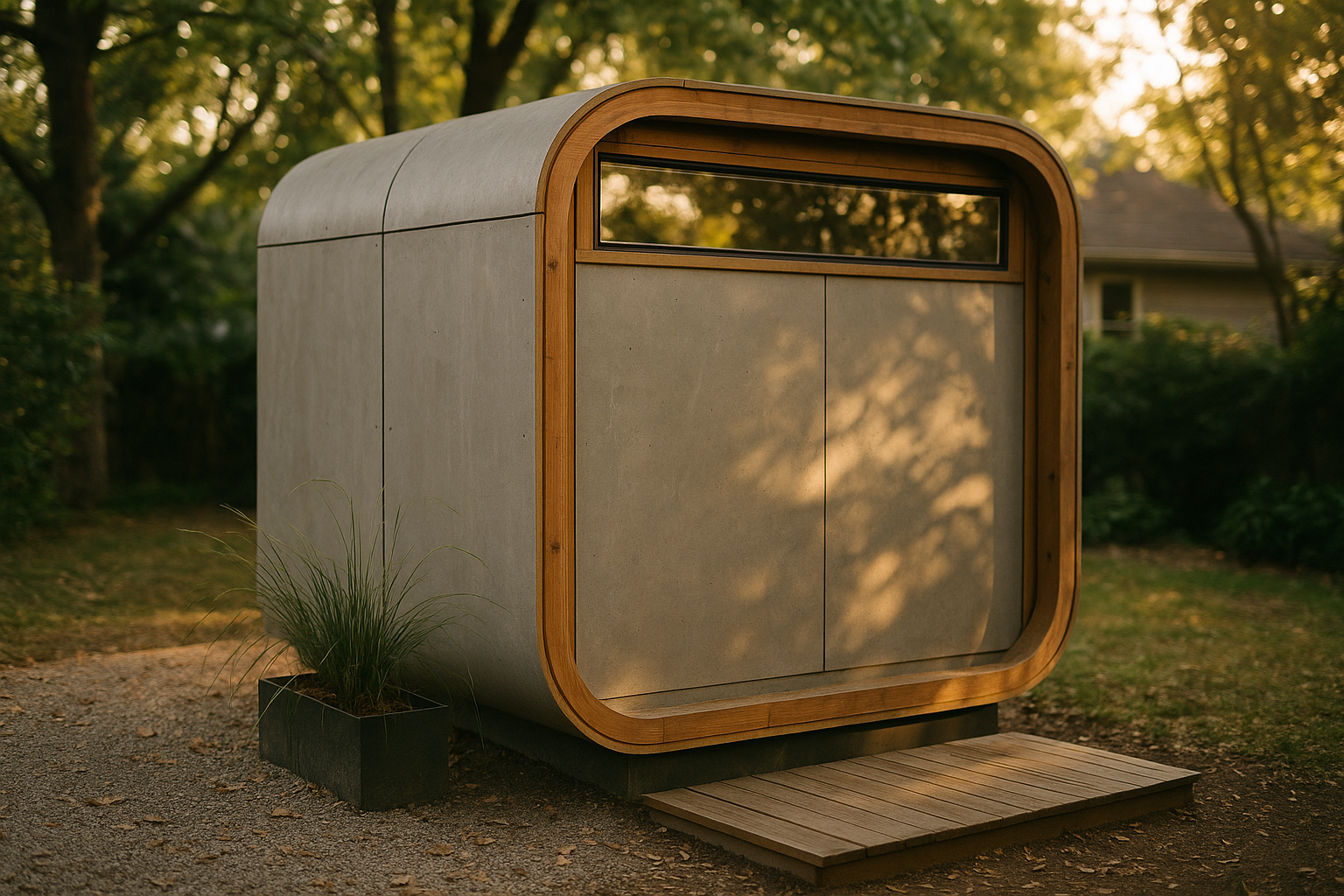
Backyard Capsule Houses: Small Dwelling Designs and Backyard Living Spaces
Outline:
– What a backyard capsule house is and why it matters
– Capsule home design: structure, materials, utilities, and interiors
– Codes, permits, and smart placement across backyard living spaces
– Costs, financing, and long-term value
– Use cases, comfort strategies, and practical next steps
Introduction: Why Compact Backyard Capsules Are Gaining Ground
Homeowners are continually searching for flexible space that doesn’t require moving or a disruptive addition. Enter the backyard capsule house, a compact structure that delivers privacy, function, and comfort on a modest footprint. Rather than expanding the main residence, many people prefer a detached studio that can be tailored for work, guest stays, or creative pursuits. This approach can reduce construction chaos within the primary home while still unlocking meaningful new utility on the property. The appeal is practical: a focused project with clear scope, predictable dimensions, and the chance to add value for daily living.
Although terminology varies by region, the concept aligns with a detached accessory dwelling or micro-studio that can be placed thoughtfully near existing landscaping. A small dwelling can bring separation that is hard to achieve in a busy household, offering a quiet door to close when it is time to focus or rest. These structures range from simple shells to fully finished units with plumbing, heating, and built-in storage. Typical footprints sit between about 120 and 400 square feet, enough for a desk, daybed, and clever cabinetry, yet modest enough to fit into many suburban or urban lots. The key is purposeful design that prioritizes circulation, daylight, and function.
Benefits extend beyond convenience. Detached spaces often allow better acoustic control, which matters for video calls, music practice, or rest. With a defined boundary, chore spillover from the main house is less likely, making it easier to maintain routines. Many climates support energy-efficient envelopes that keep operating costs reasonable if insulation, air sealing, and window placement are handled attentively. Finally, because exterior work is concentrated in the yard, site disruption can be shorter and more manageable compared with a full interior renovation.
– Quiet focus: dedicated space for work or study without household interruptions.
– Flexible hosting: a comfortable guest retreat that preserves privacy for residents.
– Property resilience: usable area during renovations, power upgrades, or unforeseen needs.
– Incremental investment: stage the project in phases—shell first, finishes later—to match budget.
From Concept to Build: Design, Materials, and Systems
Thoughtful planning is the engine of a successful capsule home design. Begin by defining primary use: Will the space be a weekday office and a weekend guest suite? Will it need a shower or just a half-bath? Answers shape the floor plan, service runs, and finish selections. Compact footprints reward clarity: every inch does double duty. Popular interior layouts cluster plumbing along one wall to shorten runs, keep costs controlled, and simplify maintenance. Windows are placed to pull in daylight from two sides when possible, reducing glare and enhancing perceived roominess without escalating glass area excessively.
Construction pathways vary. Some owners choose panelized shells delivered to the site; others commission a carpenter to frame traditionally. Either approach can reach high performance with diligent detailing. Priority elements include continuous insulation, robust air sealing at wall-to-roof transitions, and strategic overhangs for weather protection. Durable claddings—such as fiber cement boards or treated wood siding—resist moisture and insects with modest upkeep. Underfoot, pier foundations often minimize excavation and allow airflow, while slab-on-grade can supply thermal mass that evens out temperature swings. The right choice depends on soil, frost depth, and drainage patterns.
Inside, built-ins tame clutter: a wall-length bench with drawers, a fold-down desk, or a Murphy-style bed can transform the room over a single day. Mechanical needs are compact too. Electric service can be extended from the main panel with a dedicated subpanel; heating and cooling may be handled by a small heat pump sized to the envelope’s load. Ventilation is vital in tight structures; consider a continuous exhaust fan or a balanced system to limit humidity and maintain fresh air. For plumbing, short runs to existing sewer or septic are cost-effective; in limited-access sites, off-grid solutions are sometimes feasible with local approval.
Beyond the walls, think about backyard living spaces as a connected environment. A small deck, a gravel path that absorbs runoff, and low-glare pathway lighting create safe, pleasant circulation without overpowering the garden. To unify the composition, echo the primary home’s proportions or materials in restrained ways—roof pitch, trim thickness, or color temperature—so the capsule reads like a respectful relative rather than a competing structure. These moves keep the design coherent while preserving the capsule’s independent character.
Rules, Permits, and Placement: Navigating Constraints with Confidence
Before sketching finishes, learn the rules that govern a tiny home backyard project. Zoning often sets limits on size, height, setbacks from property lines, and whether kitchens are allowed. Some municipalities classify detached studios differently than full accessory dwellings, which can affect parking requirements, utility metering, or short-term rental eligibility. It is wise to meet staff for a pre-application conversation to confirm definitions and submittal needs. Typical documents include a site plan with dimensions, elevations, structural notes, and utility diagrams. Permit timelines range widely; four to sixteen weeks is common for modest projects, though backlogs can stretch that window.
Placement strategy is equally important. Observe sun paths and mature tree canopies through the seasons to orient glazing for light without overheating. Maintain comfortable distances from neighboring windows to protect privacy and comply with code. Keep service corridors clear for future maintenance: a path for wheelbarrows, access for gutters and siding repairs, and space to service mechanical units. If delivery involves a crane or large trailer, plan maneuvering routes that avoid fences, branches, or soft soil after rain. Good logistics reduce site repair costs once construction wraps.
Safety and performance details deserve attention. Where fire separation from lot lines is tight, select assemblies with the required rated sheathing or gypsum layers. For egress, ensure windows meet minimum clear openings and floor heights. Electrical layouts must observe working clearances and load calculations; gas appliances, if used, require correct venting and setbacks. On uneven ground, stormwater management prevents pooling: swales, gutters, and permeable surfaces direct water away from foundations. These practical decisions keep a backyard capsule house durable and compliant across the full lifecycle.
– Typical zoning levers: maximum floor area, height, coverage, and parking.
– Submittal package: survey or scaled site plan, elevations, sections, structural notes.
– Inspection sequence: footing/foundation, rough framing and utilities, insulation, final.
Budget, Financing, and Value: Getting the Numbers to Work
Cost control begins with a transparent scope and a realistic contingency. For many regions, a finished shell with insulation and windows might start in the tens of thousands of dollars, while fully fitted studios with bathroom and heating can extend well beyond that depending on finishes, labor conditions, and site complexity. Line items typically include site prep and foundation, structure, windows and doors, utilities, interior finishes, and permit fees. Soft costs—design, surveys, and specialized engineering—should be included alongside a 10–20% contingency to cover surprises like rock excavation or panel upgrades.
Financing options vary. Some owners leverage home equity or renovation loans; others use personal financing paired with incremental build strategies. Phasing can reduce pressure: complete the envelope, then install bath fixtures and built-ins as budget allows. If you anticipate rental income, evaluate conservative scenarios that include time for permitting, seasonal vacancy, and routine maintenance. Consider local tax implications and insurance adjustments as part of the pro forma. A clear-eyed model avoids overly optimistic assumptions and helps you stage cash flow confidently.
Operating costs tie back to performance decisions. Efficient heating and cooling, right-sized equipment, and good insulation can lower monthly bills. Durable exterior materials reduce repainting or replacement cycles. Over the long term, many homeowners find that a capsule home design can enhance resale appeal by adding usable, flexible square footage that reads as an asset without oversizing the property. Value also arrives in non-monetary forms: reduced commuting for home-based work, better boundaries, and improved family dynamics.
– Typical cost buckets: site work, structure, envelope, mechanicals, interiors, approvals.
– Risk reducers: soil tests, utility locate, verified load calculations, robust contracts.
– Value drivers: natural light, storage efficiency, acoustic comfort, and privacy planning.
Finally, remember scale: a small dwelling rewards quality over quantity. A handful of resilient materials, a disciplined palette, and targeted upgrades often outperform a longer spec list. This approach helps the project age gracefully, with fewer items to maintain and more time to enjoy the space.
Conclusion and Next Steps: Use Cases, Comfort, and Future Outlook
Real impact comes from aligning the structure with daily life. A tiny home backyard can become a focused office with acoustic panels and a wall bed for occasional guests. For care needs, a ground-level plan with a curbless shower and wider doors supports mobility without institutional feel. Artists may prefer skylight shafts and a durable floor that tolerates spills; musicians might prioritize sound isolation with resilient channels and solid-core doors. Students can use the room as a quiet study zone that later converts to a short-term rental after graduation. Flexibility is the throughline, guided by honest use patterns rather than abstract trends.
Comfort is multi-layered. Daylight matters, but so does glare control; use modest overhangs, operable shades, and cross-ventilation to balance light and temperature. Good acoustics require dense insulation in select partitions, continuous gaskets around doors, and minimizing rattling fixtures. Thermal comfort benefits from air sealing, balanced ventilation, and right-sized equipment. Outdoors, integrate the structure with backyard living spaces through permeable paths, native plantings that reduce irrigation, and a small landing that invites morning coffee or evening reading.
Getting started is simpler with a checklist:
– Clarify primary and secondary uses; sketch a room that transforms in minutes.
– Survey the lot and map sun, shade, water flow, and utility routes.
– Confirm local definitions, size limits, and submittal requirements early.
– Draft a budget with soft costs and a contingency; decide what can phase.
– Pilot furnishings in your main house to test proportions and storage strategies.
Looking ahead, modest footprints align with resource-conscious living and changing work patterns. Advances in compact HVAC, high-performance windows, and panelized construction can streamline delivery while raising comfort. Meanwhile, communities continue to refine policies that support small and flexible housing on existing lots. With planning and a grounded budget, the path to a welcoming, durable, and adaptable accessory studio is clear—and well within reach for homeowners ready to shape their space with care.
For readers considering a project this year, start with a site sketch and a short list of priorities. Gather two or three conceptual quotes, compare scopes line by line, and choose a timeline that respects seasons and family routines. With these steps, a tiny home backyard becomes a realistic, rewarding extension of home life—purposeful, comfortable, and tailored to what matters most.


