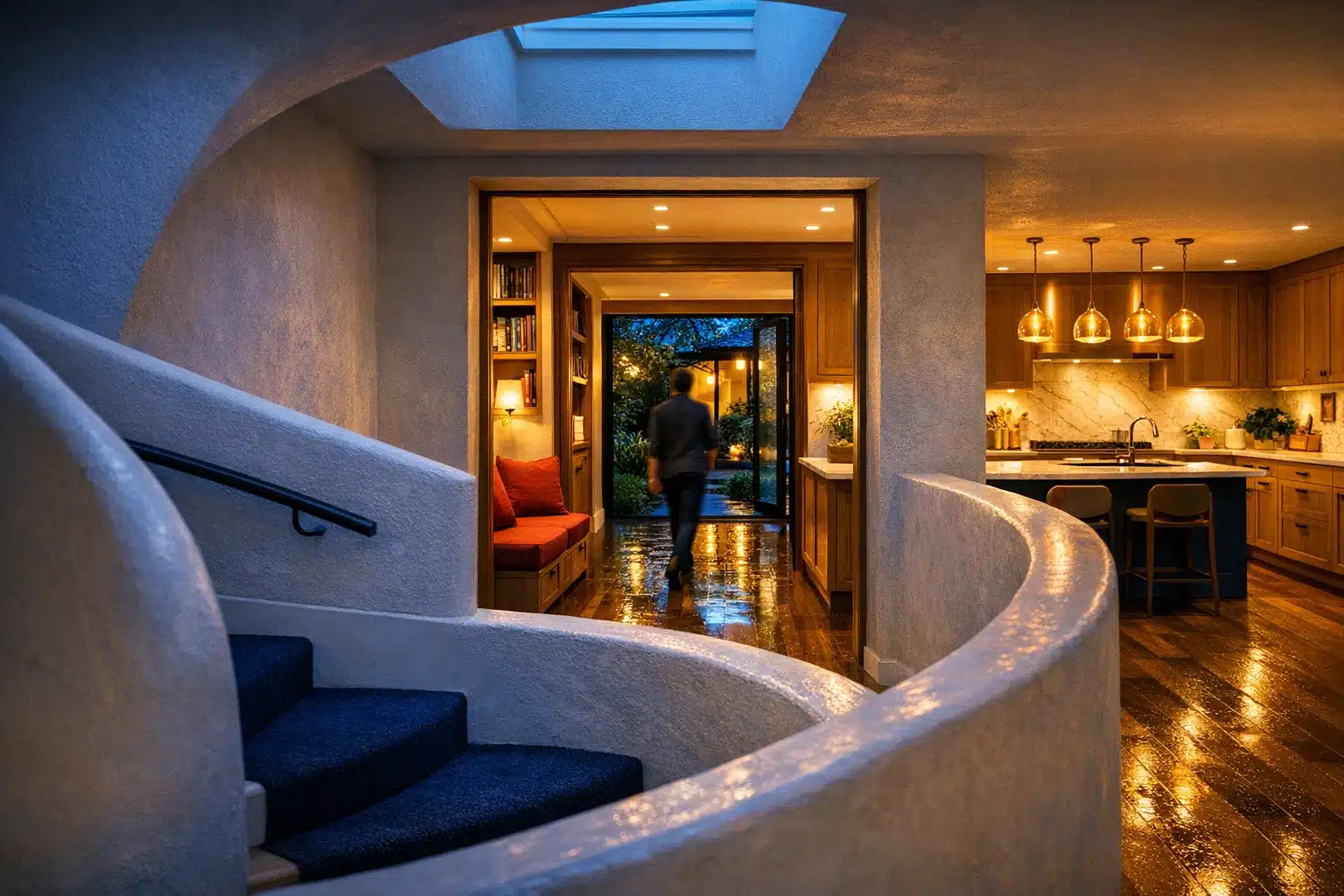
Home Remodeling: Complete Guide for 2026
A remodel can change the way a home works on a rushed morning and the way it feels when the day finally settles. In 2026, homeowners are looking beyond surface updates and focusing on storage, efficiency, comfort, and rooms that can adapt as life changes. When planning is thoughtful, remodeling can protect value, reduce future maintenance, and turn familiar square footage into a place that supports daily routines instead of fighting them.
Article Outline
- How to define goals, set scope, and build a practical remodeling plan
- How budgeting, financing, and contingencies shape smart decisions
- Which room-by-room upgrades improve function, comfort, and long-term appeal
- How to choose contractors, handle permits, and manage the work with less stress
- Which 2026 design and sustainability ideas are worth considering, plus final advice for homeowners
1. Planning a Remodel: Goals, Scope, and the Order of Work
The strongest remodeling projects usually begin long before demolition starts. They begin with a clear look at how the house is actually used. That sounds simple, but it is where many projects go off course. Homeowners often start with inspiration images, cabinet colors, or dramatic before-and-after photos, yet the better starting point is daily friction. Where do shoes pile up? Which room overheats? Is the kitchen crowded during dinner prep? Does a guest room sit empty while someone works at the dining table every day? Remodeling succeeds when it solves those real patterns instead of decorating around them.
A useful first step is to separate needs from wants. A need may be replacing aging plumbing, improving ventilation, or correcting poor insulation. A want may be wider plank flooring or a waterfall island. Both matter, but they do not belong in the same decision bucket. Structural repairs, moisture issues, electrical safety, and building envelope problems should generally come before cosmetic upgrades. Fresh paint looks far less exciting when a hidden leak reappears a month later.
It also helps to define the project type early. A cosmetic remodel updates finishes and fixtures without moving major systems. A mid-range remodel might reconfigure a kitchen, open a non-load-bearing wall, or upgrade a bathroom with better waterproofing and storage. A full renovation can involve layout changes, new wiring, HVAC work, window replacement, and substantial permit review. Each level has a different effect on cost, schedule, and disruption. Comparing them honestly prevents homeowners from calling a full-scale renovation a “simple refresh” and underestimating both time and money.
Before any contractor is hired, create a written planning document. It does not need to be formal, but it should answer practical questions such as:
- What problem is the remodel solving?
- Which spaces are included now, and which are postponed?
- What is the maximum realistic budget?
- How long can the household tolerate noise, dust, or limited room access?
- Which features are non-negotiable, and which can change if bids come in high?
Sequence matters as much as vision. If the project includes floors, cabinets, electrical work, and painting, the order affects labor efficiency and material waste. In whole-home projects, work often starts behind the walls: framing, mechanical systems, insulation, drywall, then finishes. Think of it like rewriting the backstage script before the curtain rises. A beautiful room may be the visible ending, but the hidden decisions underneath are what let it function well for years.
2. Budgeting and Financing: What Remodeling Really Costs
Budgeting is where excitement meets arithmetic, and arithmetic is rarely sentimental. One reason remodeling feels expensive is that homeowners tend to think in product prices while contractors price complete systems. A person may budget for tile, for example, but the real line item includes demolition, substrate repair, waterproofing, layout, cuts, grout, trim, labor, waste, and cleanup. The same pattern applies to cabinets, lighting, flooring, and windows. In other words, materials are only part of the story. Installation, site conditions, permits, and inevitable surprises are often what turn a rough estimate into a real number.
A practical remodeling budget usually includes several layers. The first is direct project cost: labor and materials. The second is soft cost: design fees, engineering, permits, inspections, waste hauling, and sometimes temporary storage. The third is contingency. Many homeowners and professionals use a contingency reserve of roughly 10 to 20 percent, especially in older homes where hidden issues are common. Behind a freshly painted wall there may be outdated wiring, water damage, poor framing, or code deficiencies. That reserve is not pessimism; it is a tool for staying calm when the house reveals its secrets.
Financing options should be compared with the same care used for layout choices. Paying with savings avoids interest, but it may reduce emergency liquidity. A home equity line of credit can offer flexibility for phased work, while cash-out refinancing may make sense for some borrowers depending on rates and long-term plans. Renovation loans can help when repair costs are bundled into the mortgage, though they often involve more paperwork and lender oversight. The right option depends on debt tolerance, available equity, time horizon, and whether the remodel is essential or elective.
To control costs without gutting the project, focus on value engineering rather than panic cuts. That means preserving the function while altering the method. For instance, keeping plumbing in the same location can sharply reduce labor in kitchens and bathrooms. Choosing stock or semi-custom cabinetry may free budget for better counters or lighting. Refinishing hardwood is often less costly than replacing it. A smart budget often looks like this:
- Prioritize hidden quality: waterproofing, insulation, electrical capacity, ventilation
- Spend strategically on high-touch surfaces: faucets, handles, counters, paint finish
- Use durable mid-range materials where wear is heavy and visibility is moderate
- Leave room for delivery delays, damaged items, and approved change orders
The goal is not to build the cheapest project. It is to build the right project for the home, the household, and the financial reality. A remodel that empties reserves and still leaves key work unfinished rarely feels successful, no matter how beautiful the tile may be.
3. Room-by-Room Priorities: Kitchens, Bathrooms, Living Areas, and Storage
Not every room delivers value in the same way. Some spaces influence resale appeal, some improve daily efficiency, and some quietly reduce stress by making the house easier to maintain. Kitchens and bathrooms still attract the most attention because they combine utility, visible wear, and technical complexity. Yet remodeling decisions should not be driven by tradition alone. A home office with sound control, a mudroom with durable flooring, or a laundry room with better workflow may improve everyday life more dramatically than a showpiece island that mainly photographs well.
In kitchens, function should guide layout before style enters the room. The old “work triangle” concept still has value, but many modern households use kitchens in zones: prep, cooking, cleanup, coffee station, pantry access, and casual seating. A remodel should account for real behavior. If two people cook together, a single narrow passage can become a daily bottleneck. If groceries are unloaded through the garage, pantry placement matters. If small appliances live on the counter, outlets and storage need to be planned together. Full gut renovations allow the most change, but a targeted kitchen remodel can still go far by replacing poor lighting, outdated cabinets, worn counters, and inefficient storage.
Bathrooms are deceptively small yet often expensive because water demands precision. Good ventilation, proper waterproofing, slip-resistant flooring, and enough storage usually matter more than trend-driven finishes. A curbless shower, wider doorway, or better task lighting can make the room more useful across many life stages. In older homes, replacing supply lines or correcting venting may add cost, but it can also prevent future repair headaches. This is the classic remodeling lesson: the least glamorous line item is often the one that protects the project.
Living rooms, dining areas, and flex spaces deserve equal attention in 2026 because households continue to ask more from fewer rooms. Open plans remain popular, but not every wall should fall. A partially defined layout can improve acoustics, privacy, and furniture placement. Sometimes the best solution is not “open everything” but “connect better.” That may mean widening an opening, adding built-ins, improving sight lines, or using glass doors to borrow light while preserving separation.
Do not overlook storage. It is the quiet engine of a calm home. Consider:
- Entry benches with concealed compartments
- Tall pantry pull-outs and drawer-based lower cabinets
- Closet systems tailored to actual clothing and household gear
- Built-ins around fireplaces, desks, or awkward alcoves
The best room-by-room remodel is not the one with the flashiest finish schedule. It is the one that removes repeated inconvenience. When the house starts cooperating with everyday routines, the improvement feels larger than the square footage suggests.
4. Hiring Professionals, Permits, and Managing the Project Day to Day
Choosing who will execute a remodel can influence the outcome as much as the design itself. Homeowners generally compare three broad paths: hiring a design-build firm, working with an architect or designer plus a general contractor, or managing portions of the project independently. A design-build firm can streamline communication because design and construction are handled under one umbrella. That often reduces finger-pointing and can speed coordination. Hiring separate design and build professionals may offer more flexibility or specialized expertise, especially for complex layout changes or historically sensitive homes. A heavily DIY approach may lower direct labor costs, but it also increases responsibility for scheduling, quality control, code compliance, and safety.
Whatever route you choose, vetting matters. A professional-looking website is not the same as a reliable process. Ask for license information where required, proof of insurance, recent references, and examples of similar work. Review how bids are written. A vague estimate with broad allowances may look attractive at first but can create expensive ambiguity later. A better proposal clearly describes scope, exclusions, payment schedule, materials, lead times, and how change orders are approved. If a contractor is uncomfortable putting details in writing, that is not old-school charm; it is a warning sign.
Permits are another area where assumptions create trouble. Many visible upgrades, such as painting or simple flooring replacement, may not require permits, but electrical work, plumbing changes, structural alterations, window modifications, gas line work, and additions often do. Requirements vary by municipality, so local rules matter more than advice from a friend in another state. Permit review can add time, yet it also provides a framework for code compliance and inspections. Skipping permits to “save time” can complicate insurance claims, resale disclosures, and future repairs.
Once construction begins, daily management becomes its own skill. Even with an excellent contractor, homeowners should maintain a communication rhythm. Weekly site meetings, written updates, and clear decision deadlines help prevent small uncertainties from turning into schedule delays. Keep a project folder with contracts, product selections, warranty documents, and approved changes. It is not glamorous, but it brings order when the house is noisy and half-packed.
Project management is easier when expectations are realistic:
- Deliveries can arrive damaged or late
- Hidden conditions may require revised scope
- Dust control helps, but no active site feels pristine
- The cheapest bid is not always the lowest final cost
A well-run remodel is not perfectly smooth. It is transparent, organized, and responsive when conditions change. That distinction matters. Homes are physical objects with history, and history tends to speak up once walls are opened.
5. 2026 Remodeling Trends, Sustainable Choices, and Final Advice for Homeowners
Trends are useful when they reflect lasting needs, and less useful when they merely decorate the moment. In 2026, the strongest remodeling ideas tend to be practical at their core. Homeowners are showing sustained interest in energy efficiency, electrification, healthier indoor materials, flexible layouts, and details that support aging in place. These are not passing fads. They respond to utility costs, changing household structures, and the simple desire for a house that feels easier to live in year after year.
Sustainability now reaches beyond solar panels and dramatic eco-labels. It often begins with quieter decisions: air sealing, insulation upgrades, durable flooring, high-performance windows where appropriate, efficient appliances, low-VOC paints, and better ventilation. Many homeowners are also considering induction cooking, heat pump systems, and smart controls that help manage lighting, temperature, and energy use more precisely. These upgrades do not guarantee the same payoff in every climate or house type, but they often improve comfort while reducing maintenance pressure over time.
Design direction in 2026 is also shifting toward warmth and restraint. The all-gray interior has largely lost momentum, while natural wood tones, textured surfaces, layered lighting, and calmer color palettes feel more grounded. That does not mean homes are becoming bland. It means people want rooms that age well. A richly useful mudroom, a laundry area with better sorting space, or a kitchen with mixed lighting and honest materials often has more staying power than a heavily stylized finish package. The most appealing remodels usually blend timeless elements with a few easy-to-update accents.
Accessibility is another area gaining attention. Lever handles, wider circulation paths, non-slip surfaces, curbless showers, better stair lighting, and first-floor adaptability can make a home more livable for children, guests, older adults, and anyone recovering from injury. This is one of the smartest kinds of foresight because it improves convenience immediately while expanding future usability. Good remodeling does not just serve the present version of a household; it leaves room for the next chapter.
For homeowners standing at the edge of a possible project, the clearest advice is simple:
- Fix what threatens the house first
- Design around daily habits, not only aspirational images
- Budget for the unknown and document every decision
- Choose durable materials where life is busiest
- Prefer clarity over speed when hiring and scheduling
If you are remodeling in 2026, think of the project as a long conversation between your home and the life happening inside it. The goal is not perfection. It is alignment. When layout, materials, cost, and craftsmanship start working together, the result is more than an updated interior. It is a home that supports your routines, respects your budget, and feels ready for the years ahead.