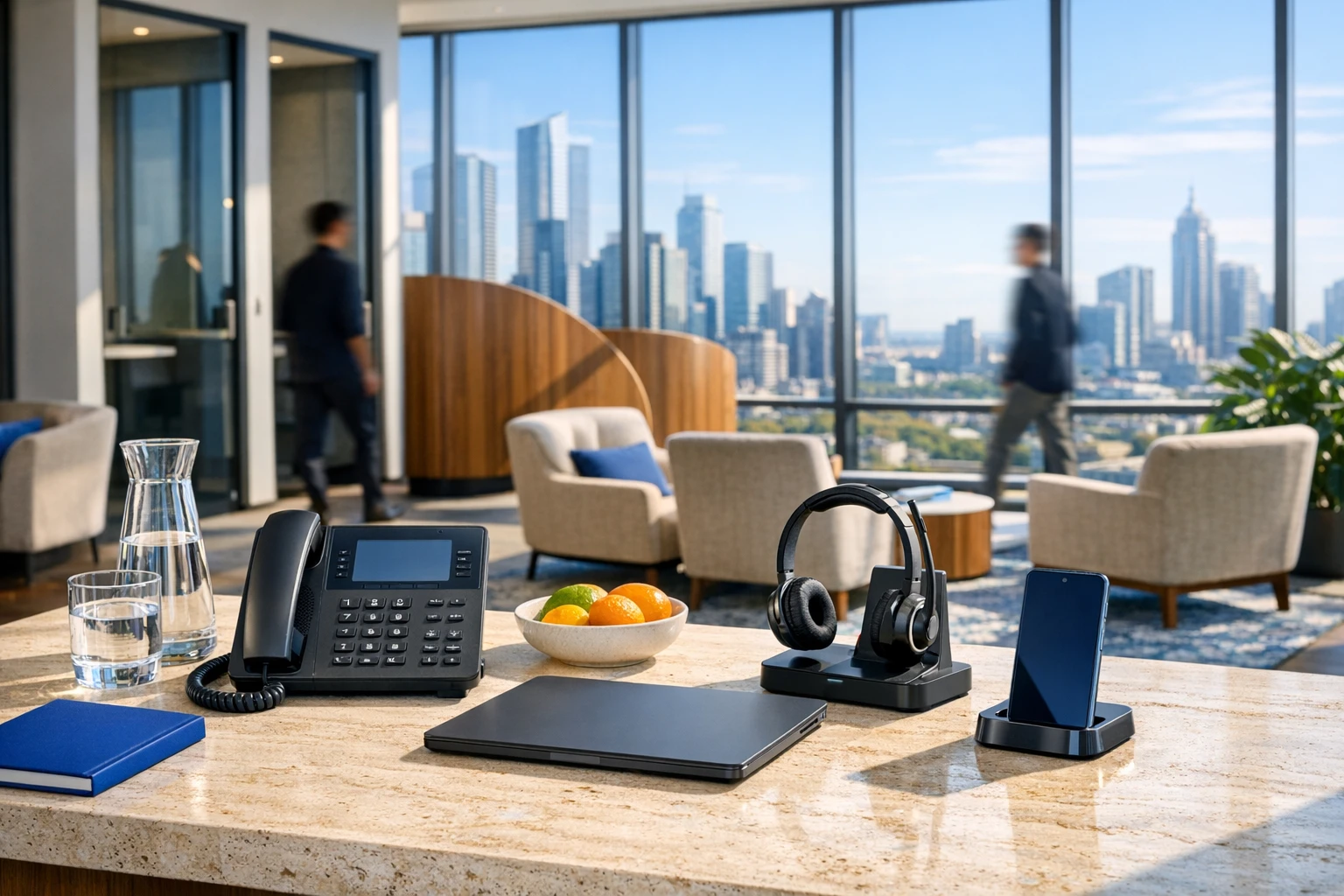
Packages Smbs Phone: Complete Guide for 2026
Phone packages have become a strategic tool for small and medium-sized businesses, not just a utility expense that sits quietly on an invoice. A modern plan shapes how quickly staff answer customers, whether remote teams stay reachable, and how smoothly sales, support, and operations coordinate across locations. In 2026, choosing wisely means weighing price, flexibility, security, and features that truly support daily work rather than crowding the bill.
1. Article Outline and Why SMB Phone Packages Matter
Before comparing vendors or counting licenses, it helps to understand the shape of the decision. Many SMBs search for “phone packages” and find a blur of terms: business mobile plans, hosted PBX, VoIP bundles, collaboration suites, SIP trunks, unlimited calling packages, and hybrid packages that mix desk phones with mobile apps. That flood of options can feel like opening a toolbox in a dark room. The good news is that the decision becomes manageable when broken into a few practical questions: who needs a number, how calls move through the business, what tools staff use every day, and how quickly the company expects to grow.
- What SMB phone packages usually include
- How desk phone, mobile, and cloud-based options differ
- Which features matter most for growing businesses
- How pricing, contracts, and hidden costs affect the real budget
- How to choose a package that fits your team in 2026
For small and medium-sized businesses, the phone system is still a frontline business channel, even in an era dominated by chat, email, and messaging apps. Customers continue to call for urgent issues, sales questions, booking changes, and support that cannot wait for a reply. A missed call may not look dramatic in a spreadsheet, yet it can quietly drain revenue, trust, and repeat business. That matters even more for local service firms, healthcare practices, law offices, retailers, logistics companies, and field-service teams where responsiveness directly affects conversion and retention.
Modern SMB phone packages are also tied to a wider shift in work style. Teams now move between office desks, home workspaces, company vehicles, and shared offices. Because of that, businesses increasingly value packages that let a call ring on a desk phone, laptop app, and mobile device at the same time. A business number no longer has to live on one handset in one building. It can follow the employee, the department, or the workflow. This flexibility is one reason cloud-based packages have grown in popularity: they lower hardware dependence and make administration easier for companies without a large IT team.
The rest of this guide expands each part of that outline in detail. Instead of chasing buzzwords, it focuses on how phone packages work in real business conditions, where they save money, where they create risk, and how SMB buyers can make a solid decision without overbuying.
2. Core Features Inside SMB Phone Packages
When providers advertise business phone packages, the headline usually highlights one or two points such as “unlimited calling” or “all-in-one communications.” Those phrases are useful starting points, but they do not tell the full story. A strong SMB package is really a bundle of capabilities that affect call quality, team productivity, customer experience, and administration. Understanding these building blocks makes comparisons far easier and prevents companies from paying premium prices for features they will never use.
The first component is calling itself: local, national, and international coverage, plus the way usage is billed. Some phone packages include unlimited domestic calling, while others rely on metered minutes or pooled usage. “Unlimited” may still come with fair-use policies, country exclusions, or special charges for toll-free traffic, so businesses should always review the details. For a firm that mostly serves one city, a broad global calling add-on may add little value. For an export business or distributed support team, international options may be essential rather than optional.
The second component is endpoints, meaning the devices and apps employees use. In 2026, a business phone package may support:
- Desk phones for reception, shared spaces, or call-heavy roles
- Softphone apps on laptops for office and remote workers
- Mobile apps for sales staff, technicians, and managers on the move
- Browser-based calling for quick access without special hardware
The third component is business workflow. This is where basic calling becomes a real communications platform. Many SMB-focused packages now include auto attendants, call queues, voicemail-to-email, number extensions, business SMS in some markets, call forwarding, ring groups, and time-based routing. Mid-tier and premium plans often add call recording, analytics dashboards, CRM integrations, shared inboxes, video meetings, and team messaging. These tools can reduce response delays and give managers more visibility into how the team handles demand.
Security and administration matter just as much. A good package should allow role-based permissions, centralized billing, number management, account recovery controls, and reliable support. If the provider includes service-level commitments, emergency calling setup where relevant, and data controls for recordings or logs, that is even better. For SMBs without dedicated telecom staff, simple management is not a luxury; it is a cost saver. The most useful phone packages are not always the ones with the longest feature list. They are the ones that combine useful functions, transparent pricing, and low management friction.
3. Comparing the Main Types of Business Phone Packages
Not all phone packages solve the same problem. Some are built for stable office environments, some for distributed teams, and others for companies whose employees spend more time on the road than behind a desk. Choosing well means matching the package type to business behavior, not just picking the cheapest monthly headline.
The most traditional option is the on-premises PBX or landline-based setup. These systems can still make sense for organizations that value direct control, already own compatible hardware, or operate in environments where analog lines remain useful, such as older facilities, alarm systems, or certain specialized workflows. Their strengths include familiarity and predictable internal control. Their weaknesses usually include maintenance demands, hardware dependence, and reduced flexibility for remote staff. For a growing SMB, that can become a serious limit.
Cloud VoIP or hosted PBX packages are now the most common path for many small and medium-sized businesses. Instead of maintaining major on-site switching equipment, the business subscribes to a service delivered over internet connectivity. These packages often support quick user setup, central admin dashboards, remote access, and easier scaling. A new employee can often be added faster than with older systems, and a team can keep the same business identity across locations. However, cloud packages depend heavily on network quality. If the internet connection is unstable, call performance may suffer unless the network is properly managed.
UCaaS, or unified communications as a service, takes the model further by combining calling with meetings, messaging, file collaboration, and integration tools. For an SMB that wants fewer separate apps, this can be attractive. Instead of stitching together one vendor for calls, another for video, and another for internal chat, the company works from a single ecosystem. That can simplify training and reduce admin overhead, but it may also mean paying for functions that lighter users do not need.
Mobile-centric business packages deserve special attention as well. These plans work well for companies with field sales teams, delivery operations, construction crews, maintenance staff, or multi-site retail managers. In these businesses, the smartphone is the primary office. A mobile-first package may include shared business numbers, device management, separate business calling identity, data allowances, and add-ons for collaboration. The risk is that mobile-only setups may lack the richer routing and reporting features of a fuller cloud phone platform unless paired with software services.
Hybrid packages combine elements of several models. An SMB may keep desk phones for front-desk staff, use softphones for office workers, and assign mobile calling tools to field employees. This is often the most realistic path. The best package is rarely the most fashionable one; it is the one that fits call volume, work location, customer expectations, and support capacity. A local law office, for example, has very different needs from a regional plumbing company or a fast-growing online retailer.
4. Pricing, Contracts, and Hidden Costs in Phone Packages
One of the most common mistakes SMB buyers make is comparing phone packages only by the advertised monthly rate. A plan priced at 20 dollars per user may seem straightforward, but the total cost can change quickly once hardware, taxes, setup, premium features, support tiers, and usage outside the default bundle are added. Smart buying starts with total cost of ownership rather than headline price.
For cloud-based SMB packages, entry-level plans often sit in a lower price band and focus on standard calling, voicemail, and mobile or desktop apps. Mid-tier plans frequently add auto attendants, call routing, integrations, recordings, or reporting. Higher-end plans can include advanced analytics, supervisor tools, expanded support, and contact-center style features. That tiering is not inherently bad, but it can make simple comparisons misleading. A cheaper package can become more expensive if the business later needs call recording, CRM sync, or extra numbers.
Here are some of the charges buyers should actively check before signing:
- Hardware costs for desk phones, headsets, routers, or adapters
- One-time onboarding, setup, or number porting fees
- Taxes, telecom surcharges, and regulatory fees
- Storage fees for call recordings or voicemail retention
- International calling rates and toll-free usage charges
- Early termination penalties or auto-renewal terms
- Paid support upgrades or service response guarantees
Consider a simple example. A 15-person business chooses a package advertised at 22 dollars per user per month. The visible subscription appears to be 330 dollars monthly. But if five employees need desk phones, a manager wants call recording, the receptionist needs queue features, and the company pays taxes plus setup costs, the real first-year spending can be materially higher than the opening quote suggests. None of that means the package is poor value; it simply means the advertised number was not the whole picture.
Contract structure matters too. Month-to-month packages offer flexibility, which is useful for seasonal businesses or fast-changing teams. Annual or multi-year terms can reduce per-user cost, but they also increase switching friction. SMBs should ask direct questions: How easy is it to add or remove users? Can phone numbers be ported away without difficulty? What happens if the business moves offices, expands internationally, or changes internet providers? The best phone package is not merely affordable on day one. It stays manageable when the company grows, restructures, or faces an unexpected change in demand.
5. Conclusion: Choosing a Package That Fits the Way Your SMB Works
For owners, operations managers, office administrators, and lean IT teams, the right phone package is not the one with the flashiest brochure. It is the one that supports real conversations, real staff behavior, and real customer expectations. In practical terms, that means starting with a simple internal audit. Count how many users need full calling capability, how many mainly receive transferred calls, how many work remotely, and how many depend on mobile access. Then map the daily call journey: who answers first, how calls are routed, where delays happen, and which interactions need tracking or recording.
Once that picture is clear, the shortlist becomes easier to build. A small professional services firm may prioritize reliability, voicemail transcription, and CRM integration. A retail chain may care more about location routing, central administration, and mobile management for store leaders. A field-service company may value smartphone-based calling, shared business identity, and dispatch-friendly tools. Different businesses can buy from the same market, yet need very different packages.
A sensible implementation path often looks like this:
- Audit current call volume, missed calls, and common customer issues
- Identify essential features versus nice-to-have extras
- Test internet quality and internal network readiness
- Run a pilot with a small team before full deployment
- Train staff so features actually get used
- Review bills and performance after the first few months
This last point is easy to underestimate. Even an excellent package can disappoint if staff do not understand transfer rules, voicemail handling, app sign-in, or call routing settings. Training turns a software subscription into a working business system. It also reduces the classic problem where companies buy advanced features but continue using the service like a basic two-line setup.
In 2026, SMB phone packages are no longer just about placing calls. They are about presenting a consistent business identity, staying reachable across devices, and managing customer contact with less friction. If you compare package types carefully, look beyond the sticker price, and align features with the way your team actually works, you are far more likely to choose a system that remains useful long after the sales demo ends. For most SMBs, that is the real win: communication that feels steady, scalable, and built for everyday business rather than technical theater.