Walmart Delivery Driver Requirements: Complete Guide for 2026
Behind every neatly dropped grocery order is a chain of rules, timing, and customer trust that most people never see. If you want to become a Walmart delivery driver in 2026, it helps to know whether you are applying for a store-based role or working through a delivery platform tied to Walmart orders. The requirements can look simple at first, yet details around age, vehicle standards, insurance, background checks, and app readiness often decide whether you move forward smoothly. This guide explains the essentials in plain English so you can judge the opportunity with clear eyes and realistic expectations.
Outline
- How Walmart delivery work is typically structured in 2026
- The core requirements most drivers need to meet before approval
- What to prepare during the application and onboarding process
- The skills and performance standards that matter after you start
- How Walmart-related delivery compares with other gig and local driving jobs
1. Understanding Walmart Delivery Roles in 2026
One of the biggest mistakes new applicants make is assuming there is only one kind of Walmart delivery driver. In reality, the label covers more than one setup. Some deliveries are connected to Walmart-operated store workflows, while many customer orders are fulfilled through platform-based drivers who accept trips through an app. In many U.S. markets, that has often meant independent contractor opportunities linked to Walmart order volume, rather than a traditional employee driving role with a fixed route and set shift. That distinction matters because requirements, tax treatment, scheduling freedom, and pay structure can all change depending on the model.
From the customer’s point of view, a grocery order simply appears at the door like clockwork. From the driver’s point of view, the process is more like a relay race. Store associates pick and stage items, a driver checks in for pickup, loads the vehicle carefully, follows delivery instructions, verifies the drop-off, and moves to the next order. Some trips involve groceries with cold-chain concerns, while others involve general merchandise, express orders, or smaller packages. In some areas, delivery routes may also be grouped into batches, which means a driver is managing several stops rather than one simple handoff.
Here are the most common delivery paths applicants should understand:
- Platform-based delivery driving, often with flexible scheduling and order-by-order acceptance
- Store-linked or employee-based delivery roles, which may involve more formal hiring steps and scheduled shifts
- Single-order express deliveries, where speed matters more than route density
- Batched deliveries, where efficiency and organization matter more than raw speed
This structure affects almost every requirement that follows. A traditional employee role may focus more on work authorization, scheduled availability, and company policy training. A platform-based driver role usually places more responsibility on the driver to maintain a qualifying vehicle, valid insurance, tax documentation, and a working smartphone. It can also mean variable earnings instead of an hourly wage. That does not make one option better than the other; it simply means applicants should choose the model that matches their needs. If you want predictable hours, the employee route may feel steadier. If you value flexibility and can manage expenses carefully, app-based driving may look more attractive. The key is knowing which door you are knocking on before you gather your documents and start the process.
2. Core Driver Requirements: Age, License, Vehicle, Insurance, and Screening
When people search for Walmart delivery driver requirements, they usually want a simple checklist. The truth is slightly messier, but still manageable. In most markets, a driver must have a valid driver’s license, current auto insurance, access to a reliable vehicle, and the legal ability to complete the work associated with the role. For app-based opportunities, applicants also usually need a smartphone that can run the delivery app smoothly, receive location data, and upload delivery photos. For employee roles, additional employment documents may be required, including proof of identity and work authorization.
Age rules can vary. Many delivery roles accept adults at 18 or older, but some markets or specific order types may require drivers to be at least 21, especially where alcohol delivery, stricter insurance standards, or local regulations apply. A clean driving record is not always defined the same way everywhere, yet traffic violations, recent serious accidents, license suspensions, or DUI-related history can affect eligibility. Background checks are also common. These screenings often review criminal history and motor vehicle records, and results are usually assessed against platform policy, employer policy, and local law.
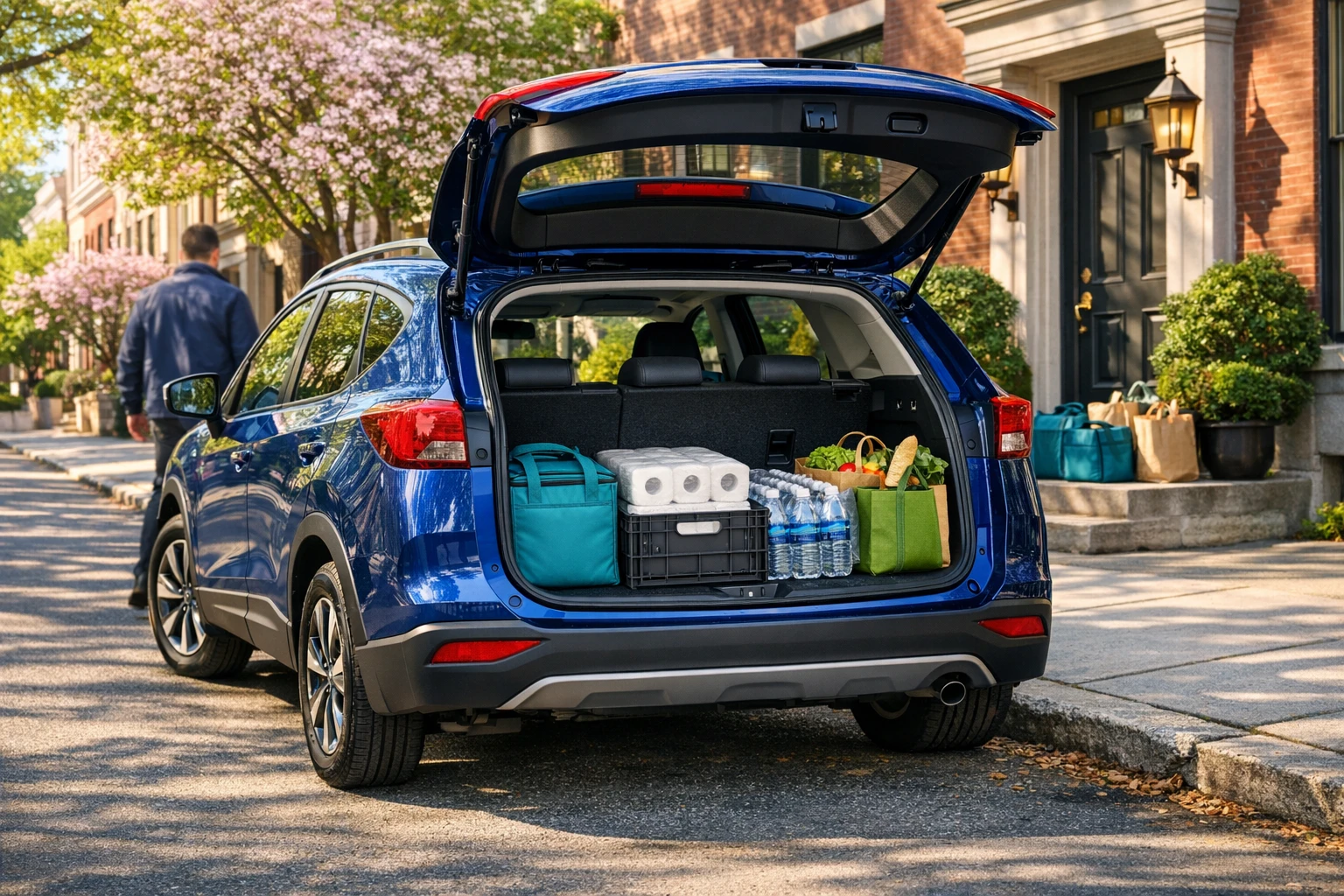
Vehicle and insurance requirements deserve more attention than they often get. A car that starts every morning is not the same as a car that is practical for delivery work. Grocery orders may include bulky paper towels, bottled water, and multi-bag family shops, so cargo space matters. Insurance must normally be active and meet the minimum legal standard for the driver’s state. Some drivers also research whether their insurer has rules around commercial or gig-related use, because that question can affect coverage clarity.
A practical requirements checklist often includes:
- A valid driver’s license in good standing
- Current auto insurance that meets state minimums or role-specific standards
- A vehicle in safe working condition with enough cargo room for deliveries
- A smartphone with reliable data access and current app compatibility
- Consent to background and motor vehicle record screening
- Banking and tax information if the role is contractor-based
Some roles also include physical expectations. Drivers may need to lift and carry groceries, navigate stairs, place orders neatly at the customer’s door, and work in hot, cold, wet, or busy urban conditions. In other words, the requirement list is not just paperwork. It is also a test of whether your daily setup matches the reality of the job. A compact car, spotty phone battery, expired insurance card, or poor organization can turn a seemingly simple opportunity into a frustrating one very quickly.
3. How the Application and Onboarding Process Usually Works
Once you understand the role and basic eligibility, the next step is preparation. This is where many applicants lose time, not because they are unqualified, but because they submit incomplete information. A missing middle initial, a blurry insurance card, or an old vehicle registration can slow approval far more than people expect. The smartest approach is to treat the application like a file review, not a casual sign-up form. Before you open the app or career page, gather every likely document in one folder on your phone and one backup folder on your computer.
For platform-based delivery work tied to Walmart orders, the process often follows a familiar sequence: create an account, enter personal details, upload documentation, consent to screening, wait for review, then complete onboarding steps if approved. For store-based roles, the flow may include a formal job posting, an application, availability details, possible interviews, pre-employment checks, and training before the first shift. Either way, accurate information matters more than speed. Fast typing does not help if the name on your license does not match the name on your insurance.
A strong preparation list usually includes:
- Driver’s license photo that is current and readable
- Insurance card showing policy validity dates
- Vehicle details that match official records
- Legal name exactly as it appears on identification
- Up-to-date phone number and email address
- Tax and payment details if the role is independent contractor based
Applicants should also expect waiting periods. Screening is not always instant, and demand can vary by city. Some markets activate drivers quickly when order volume is high, while others place applicants on a waitlist. That does not necessarily mean anything is wrong. It may simply reflect supply and demand. If onboarding is offered, pay close attention to app tutorials, delivery photo rules, check-in procedures, proof-of-delivery requirements, and any modules related to customer contact, safety, or restricted items. Small misunderstandings at this stage can create bigger problems later.
One useful comparison is this: applying for a delivery role is a bit like packing for a trip where the airport rewards tidy travelers. The person with documents ready, batteries charged, and details verified moves through the gate faster. The person who assumes everything will “probably be fine” ends up sorting issues under pressure. In 2026, that principle still holds. Preparation does not guarantee approval, but it does make the process smoother, more professional, and much less stressful.
4. Daily Expectations, Required Skills, and the Standards Drivers Need to Meet
Getting approved is only the first mile. The next question is whether you can perform the job well enough to keep it worthwhile. Walmart-related delivery driving is not just about steering a car from one address to another. It involves punctuality, order handling, navigation, customer awareness, and calm problem-solving when something goes wrong. A driver may be dealing with apartment gates, weather shifts, missing building numbers, stacked water cases, substitutions noted in the app, or delivery windows that leave little room for wandering. The work rewards people who can stay organized without becoming rattled.
Time management is one of the most important job skills. Compared with some restaurant delivery platforms, grocery delivery often includes more loading time and bigger orders, but fewer trips per hour. That changes the rhythm. Instead of chasing fast turnover, drivers often need to protect order quality, follow pickup timing, and plan routes carefully. Cold items, frozen products, and fragile goods all raise the importance of efficient handling. A bag of chips placed under canned drinks is a small mistake that can turn into a poor customer experience.
Drivers who perform well usually build habits like these:
- Checking vehicle space before accepting larger orders
- Keeping insulated bags, phone chargers, and cleaning supplies ready
- Reading delivery notes before leaving the pickup point
- Verifying addresses and apartment access details early
- Taking clear proof-of-delivery photos when required
- Communicating politely if delays or access issues appear
Performance standards can vary by platform or employer, but common themes appear again and again. On-time arrival, successful completion rate, customer satisfaction, safe driving behavior, and proper order handling usually matter. Excessive cancellations, repeated lateness, poor communication, or failure to follow delivery instructions can affect access to future work. Safety standards matter too. Distracted driving, parking carelessly, blocking fire lanes, or mishandling customer property can create bigger consequences than a simple bad rating.
There is also a human side to the job that no checklist fully captures. Delivery work places you at the edge of someone else’s daily routine. You are dropping dinner supplies to a busy parent, medicine cabinet basics to an older customer, or last-minute household items to someone who cannot get to the store. That does not make the work glamorous, but it does make it meaningful. The best drivers tend to understand that reliability is the product. The groceries are in the bags, but trust is what actually gets delivered.
5. Comparing Walmart Delivery Driving with Other Gig and Local Delivery Jobs in 2026
By 2026, most people considering Walmart delivery are not choosing in a vacuum. They are comparing it with restaurant apps, grocery shopping platforms, parcel delivery blocks, and local courier work. That comparison matters because the best job is rarely the one with the flashiest ad or the loudest claims online. It is the one that fits your vehicle, your market, your patience level, and your financial goals. Walmart-related delivery can appeal to drivers who prefer larger but more predictable household orders over constant restaurant turnover. Still, it is not automatically the right fit for everyone.
Compared with restaurant delivery, Walmart-related orders often involve larger baskets, more time at pickup, and more physical handling. You may make fewer stops in an hour, but each stop can be more substantial. Compared with shopping-heavy grocery apps, Walmart delivery can be simpler for drivers because store staff may handle much of the item picking, depending on the program. Compared with parcel block work, the routes may feel less warehouse-like and more customer-service oriented. The trade-off is that timing, bulky items, apartment access, and order presentation can matter more than people expect.
Here is a practical comparison lens for 2026:
- Choose Walmart-related delivery if you like structured pickups and household-order logistics
- Choose restaurant delivery if you prefer shorter trips and faster order turnover
- Choose shopping-based grocery work if you do not mind in-store item selection and substitutions
- Choose parcel route work if you prefer route density over customer communication
Another important factor is cost. Drivers should think beyond gross pay and consider fuel, maintenance, tire wear, insurance implications, phone use, and unpaid waiting time. A role that looks attractive on the surface may feel different after vehicle expenses are counted. This is especially important for contractor-based driving, where taxes and business-like recordkeeping matter. Employee roles may offer more predictable structure, while contractor work may offer more scheduling control. Neither model is magically better; the question is which trade-off you can manage well.
For students, parents needing flexible hours, or part-time workers building extra income, Walmart delivery can be a practical option if the local market has enough demand and your setup is solid. For drivers who dislike heavy items, long apartment walks, or variable order flow, another delivery category may feel easier. Think of the choice like footwear: a shoe can be well-made and still be wrong for your route. The smartest applicants do not ask only, “Can I qualify?” They also ask, “Will this fit the way I actually live and work?” That second question often leads to the better decision.
Conclusion for Prospective Drivers
If you are considering Walmart delivery driving in 2026, the right starting point is not hype, but fit. Make sure you understand whether the opportunity is employee based or contractor based, because that changes the requirements, paperwork, and day-to-day expectations. Then look honestly at your vehicle, driving record, phone setup, physical comfort level, and tolerance for flexible but sometimes uneven work. Drivers who prepare documents carefully, understand the standards, and treat the role like a real service job usually have a smoother experience than those who jump in blindly. For the reader trying to decide whether to apply, the takeaway is simple: learn the structure, verify the requirements in your market, and choose the path that matches your time, tools, and goals rather than chasing a one-size-fits-all promise.