Designer Handbags Sam’s Club: Complete Guide for 2026
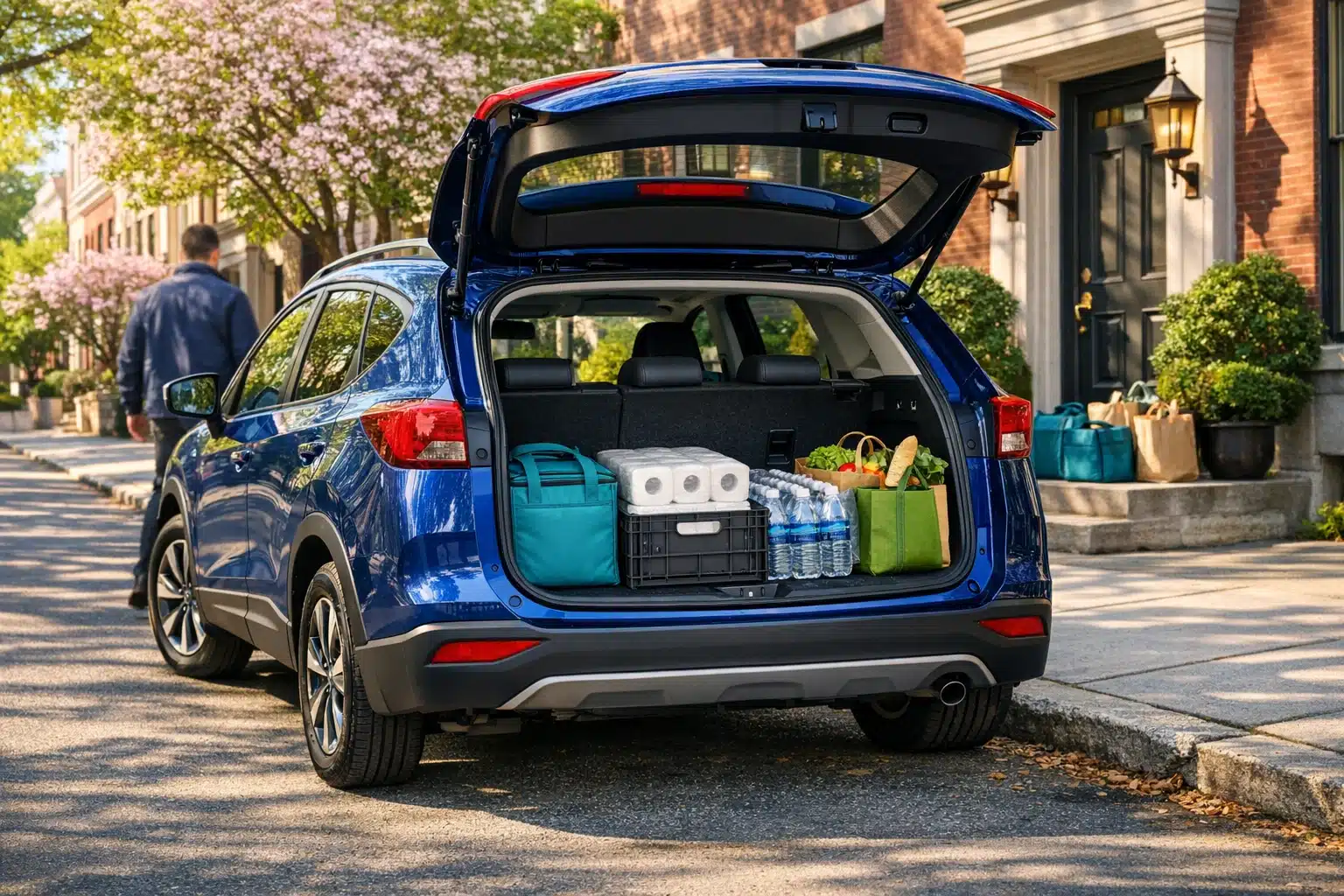
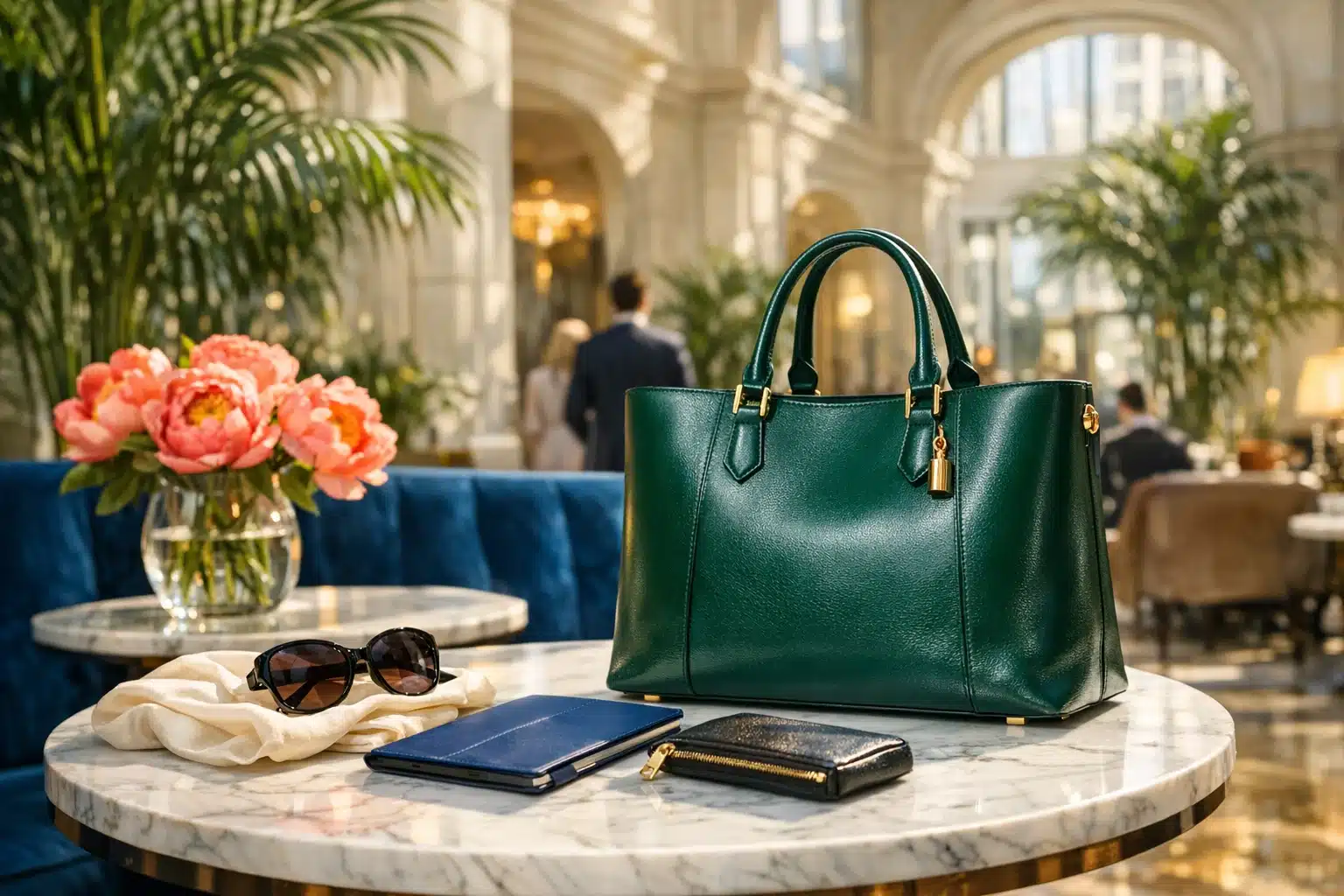
A designer handbag sits at an unusual crossroads: part accessory, part status signal, part practical carryall. That mix becomes even more interesting when the shopping venue is Sam’s Club, a retailer many people connect with paper towels, snacks, and oversized pantry staples rather than polished leather and recognizable labels. Yet that contrast is exactly why the subject matters in 2026, as value-minded shoppers want quality, transparency, and smarter ways to buy fashion without drifting into impulse spending.
Outline
- Why warehouse clubs have entered the handbag conversation
- What “designer” really means when shopping at Sam’s Club
- How Sam’s Club compares with boutiques, department stores, outlets, and resale platforms
- A practical checklist for judging quality, price, and long-term usefulness
- Who should consider buying and who may be better served elsewhere
1. Why Designer Handbags Belong in a Conversation About Warehouse Shopping
At first glance, designer handbags and warehouse clubs seem to live in different worlds. One is associated with fashion, branding, and personal style; the other is linked to pallets, multipacks, and household efficiency. Still, the pairing makes more sense than it appears. A handbag is not just a decorative purchase. For many shoppers, it is an everyday tool that carries work essentials, organizes daily routines, and shapes how an outfit feels without requiring a full wardrobe refresh. Because of that, a bag often delivers more use than a trend-driven clothing item, making value an important part of the discussion.
Warehouse clubs have long succeeded by narrowing choice, negotiating aggressively, and using membership-based retail to support competitive pricing. That model can work especially well for products that people want to buy with less friction. In the handbag space, shoppers are often searching for a recognizable brand, dependable construction, and a price that feels justified. When a club retailer offers a curated fashion assortment, it removes some of the theatrical extras of traditional luxury shopping and replaces them with a more stripped-down question: is this bag worth the money for the way I actually live?
That shift matters because designer handbags cover a wide pricing spectrum. Not every branded bag belongs to the ultra-luxury tier. Many well-known labels sit in the premium contemporary or accessible luxury category, where a discount of even 15 to 25 percent can make a noticeable difference. On a $250 bag, that may mean savings large enough to cover a wallet, a care kit, or simply stay in the bank. For shoppers thinking in terms of price-per-wear, the math becomes even more compelling. A well-chosen everyday tote or crossbody may be used hundreds of times over a year.
- A first designer purchase without boutique-level pricing
- A gift that feels elevated but still budget-conscious
- An everyday work or travel bag with recognizable branding
- A practical style update without chasing runway trends
In that sense, the warehouse setting is not a contradiction. It is a reminder that fashion, at its most useful, still has to fit inside real budgets, real closets, and real routines.
2. What “Designer” Means at Sam’s Club and How to Read a Listing Carefully
One of the biggest mistakes shoppers make is treating the word “designer” as if it means the same thing in every context. It does not. In retail, the label can refer to several different tiers: premium contemporary brands, accessible luxury names, licensed lines, seasonal collaborations, or items produced for wider distribution than boutique-only collections. That distinction matters because two bags from the same brand can look similar online yet differ in leather type, hardware weight, lining, or finishing details. A good purchase begins with understanding the tier of product you are actually looking at.
When browsing Sam’s Club, the smartest approach is to read beyond the brand name. Focus on the fundamentals of the listing: material composition, dimensions, closure type, strap length, interior layout, and care instructions. A polished logo can draw attention, but the details tell you whether the bag suits daily use. Full-grain or top-grain leather, coated canvas, saffiano-style finishes, and high-density nylon all behave differently over time. Some age beautifully and soften with use, while others resist scratches or moisture better. The right choice depends on whether the bag will live in an office, on a commute, inside an overhead bin, or under a restaurant table on busy weekends.
It is also important to remember that availability can vary by season, region, and online assortment. Club retailers may carry limited runs, closeout opportunities, or selected styles rather than a complete brand catalog. That can be a benefit if you want a straightforward decision, but it can frustrate buyers hunting for a precise color or current-season launch. In other words, Sam’s Club may be ideal for a smart purchase, but it is not necessarily the right destination for collectors who enjoy chasing the newest release.
- Check the exact material instead of assuming all leather is equal
- Look for measurements, especially strap drop and bag depth
- Review product photos for seams, feet, hardware, and lining
- Confirm return terms and any condition notes before checkout
- Do not assume extras such as a dust bag or gift box are included unless stated
Buying from a major retailer can reduce some of the uncertainty that appears on anonymous third-party marketplaces, yet careful reading still matters. A handbag should be chosen with the same attention you would give to a pair of shoes or a winter coat: style may open the door, but specifications decide whether it earns a place in your routine.
3. Sam’s Club Versus Boutiques, Department Stores, Outlets, and Resale Platforms
No shopping channel is perfect for every handbag buyer. Each one trades selection, service, timing, and risk in a different way. Sam’s Club tends to appeal to people who want recognizable brands and efficient pricing without turning the purchase into a full afternoon event. That sounds simple, but it represents a real retail distinction. Some shoppers enjoy personalized service, immaculate wrapping, and first access to seasonal lines. Others would rather compare dimensions on a screen, place an order, and move on with their week. Understanding which experience you value helps you judge the club model more fairly.
Brand boutiques usually provide the strongest sense of story and the highest likelihood of finding current-season collections. They also tend to offer the fullest packaging experience and the clearest connection to brand aftercare. Department stores add breadth, especially when comparing several labels in one visit, and their sale calendars can occasionally produce strong bargains. Outlets lower the price barrier further, but buyers should remember that outlet inventory may include products made specifically for that channel, not simply discounted boutique stock. Resale platforms open the door to discontinued styles, rare colors, and deeper discounts, yet they require sharper judgment around condition, authenticity procedures, and return complexity.
-
Boutiques: strongest brand experience, latest assortments, usually the highest prices.
-
Department stores: broad selection and sales events, but inventory moves quickly and discounts are inconsistent.
-
Outlets: lower entry prices, though product construction and design lineage may differ from full-price collections.
-
Resale sites: excellent for variety and older styles, but condition grading and verification standards vary.
-
Sam’s Club: efficient pricing and simplified shopping, though selection is narrower and fashion discovery is more limited.
For many shoppers, the real comparison is not luxury versus discount. It is convenience versus control. At a boutique, you control styling options and seasonal freshness. At a warehouse club, you may gain value and speed but give up color depth, customization, and the thrill of browsing a full fashion floor. That is not a flaw; it is the business model.
A useful way to compare channels is to ask what matters most for the specific bag you need. If you want an everyday black satchel for commuting, club pricing may make perfect sense. If you are buying a special-event piece, searching for a limited edition, or wanting the newest runway-adjacent silhouette, another route will likely suit you better. A smart handbag purchase begins when you stop asking where the bag looks fanciest and start asking where the decision becomes clearest.
4. A Smart Buying Checklist for Quality, Price, and Practical Use
The most reliable way to shop for a designer handbag at Sam’s Club is to think like a careful editor, not an impulsive fan. The bag should fit your life before it fits your wish list. Branding can create a quick emotional spark, but durability, comfort, and proportion are what keep a purchase satisfying after the excitement fades. If you are buying online, pause long enough to imagine the bag packed with your daily essentials. A beautiful tote that cannot hold a laptop, or a sleek crossbody that feels too heavy once filled, will turn into shelf decor faster than most shoppers expect.
Start with construction. Leather quality, stitch consistency, edge paint, zipper movement, and hardware finish all offer clues about longevity. Examine whether the base is structured or soft, whether the strap attachment points look reinforced, and whether the interior pockets match how you organize your items. A bag with smart internal layout can feel more luxurious in daily use than a flashier one with poor functionality. Also consider maintenance. Smooth leather may look elegant but show scratches more easily; pebbled leather often hides wear; nylon can be ideal for travel; coated canvas generally stands up well to weather and regular handling.
- Measure your essentials first: phone, wallet, keys, charger, cosmetics, tablet, or laptop
- Compare strap drop and handle length with how you actually carry bags
- Calculate price-per-wear for daily, weekly, and occasional use
- Check whether the color works with most of your wardrobe, not just one outfit
- Review the return window before buying a style you have never tried in person
- Read care instructions so the material matches your routine and climate
Price comparison matters too, but it should be done intelligently. Do not compare only sticker prices. Compare the exact model, material, season, and channel. A lower price on a different finish or alternate line is not always a direct bargain. Watch for total value instead: shipping cost, tax, return convenience, and the likelihood that you will keep the bag long enough for the purchase to justify itself. For 2026 shoppers, one of the simplest habits is also one of the best: take screenshots, save links, and leave the item for a day before checkout. If you still want it after the initial glow fades, you are probably thinking clearly. That little pause can protect both your budget and your closet.
5. Conclusion: Who Should Buy Designer Handbags at Sam’s Club in 2026?
The best audience for designer handbags at Sam’s Club is not the loudest one on social media. It is the quieter, more practical shopper who wants a credible brand, solid function, and a price that makes sense without a ceremonial retail experience. If that sounds like you, the club format can be surprisingly useful. It suits professionals who need a polished work bag, parents who want one dependable carryall instead of several mediocre ones, gift buyers hoping to find something elevated, and first-time designer customers who would rather learn the category slowly than leap into the deep end.
It may be less satisfying for buyers who love the hunt for the newest drop, limited-edition hardware, fashion-week silhouettes, or a full boutique atmosphere. Those shoppers often care about the broader ecosystem around the purchase: launch timing, packaging, brand-specific client service, and the feeling of choosing from a wide wall of options. Sam’s Club is rarely about abundance in that sense. Its strength is selectivity. You are not walking into a fashion maze; you are stepping into a narrower decision set built around convenience.
- Best for: everyday shoppers seeking quality, familiarity, and reasonable value
- Strong option for: gifting, commuting, travel, and first designer purchases
- Less ideal for: collectors, trend chasers, and buyers who want boutique-level service
- Worth considering when: the exact style, material, and price align with your real use
The key is to buy with purpose. A good handbag should earn its space by being used, not merely admired from a chair in the corner. When shoppers approach Sam’s Club with clear expectations, careful reading, and a practical checklist, the experience can be refreshingly straightforward. There is something appealing about that: no velvet rope, no dramatic sales pitch, just a measured decision about craftsmanship, function, and cost. In a market crowded with hype, that calm approach may be one of the smartest luxuries of all. If you want a designer handbag that works harder than it shows off, Sam’s Club can be a sensible place to start looking.