Walmart Delivery Driver Requirements: Complete Guide for 2026
Walmart delivery has become one of the clearest entry points into flexible work, where retail logistics meet the modern demand for groceries and household items at the front door. For many applicants, the role looks refreshingly straightforward: use your car, follow the app, and complete orders. Yet the real story lies in the details, from screening rules to vehicle standards. This guide explains what matters before you apply in 2026.
Before moving into the deeper discussion, here is the outline of the article so you can scan the road before driving it.
- How Walmart delivery work is structured in 2026 and why the role matters
- The core driver requirements most applicants should expect
- Vehicle, insurance, and smartphone standards that affect approval
- The application, screening, and onboarding process from start to finish
- What the job is really like, including earnings factors, challenges, and fit
1. How Walmart Delivery Driver Work Is Structured in 2026
One of the most important things to understand at the beginning is that the phrase “Walmart delivery driver” does not always describe a single kind of worker. In practice, Walmart delivery can be handled through different models depending on the market, store setup, and local demand. That distinction matters because requirements, flexibility, and pay structure can change based on the route you take. If a person assumes every delivery role works the same way, confusion arrives quickly, usually before the first order is even loaded into the trunk.
In many areas, deliveries are commonly fulfilled through app-based independent contractor platforms, most notably Spark Driver. In other areas, last-mile partners or store-linked delivery arrangements may be used. There are also cases where van-based or specialized delivery roles operate with more direct supervision. The result is a delivery ecosystem rather than one uniform job title. Think of it less like a single lane and more like a small interchange with several exits.
The basic models often look like this:
- Independent contractor delivery through an app platform
- Third-party courier or logistics partner roles
- Store-supported or scheduled delivery assignments in select markets
This difference affects almost everything. Independent contractors generally have more control over when they work, but they also handle their own taxes, fuel, maintenance, and much of their risk. Workers in more structured delivery roles may deal with fixed shifts, tighter performance oversight, or different equipment expectations. Someone using a compact sedan for grocery drop-offs may be facing a very different daily routine from someone assigned to a larger route system with preset delivery windows.
The reason this role has become more relevant is simple: same-day retail fulfillment is no longer treated as a novelty. Customers increasingly expect groceries, prescriptions, and household items to show up quickly, often within a narrow time window. That expectation puts delivery drivers at the center of the customer experience. A late arrival, a broken egg carton, or a missed apartment gate can shape how shoppers feel about the store as much as the products themselves.
So before discussing requirements, it helps to start with a realistic frame: this is part driving job, part customer service role, part logistics task, and part time-management exercise. People who succeed usually understand that they are not just moving bags from point A to point B. They are operating inside a retail machine built around speed, accuracy, and convenience. Once that picture is clear, the actual requirements make much more sense.
2. Core Walmart Delivery Driver Requirements Applicants Should Expect
When people search for Walmart delivery driver requirements, they often want one clean checklist. The reality is a little more nuanced, but there are still several common standards that most applicants should expect in 2026. These requirements are designed to reduce safety risk, confirm identity, and make sure the person accepting orders can legally and reliably complete deliveries. While exact standards may vary by market, partner platform, or state rules, the baseline tends to stay fairly consistent.
First, age and legal eligibility matter. Many app-based delivery roles typically require drivers to be at least 18 years old, though some related delivery positions or partner arrangements may set different minimum ages. Applicants also usually need valid authorization to work in the United States and must provide identifying information for verification and tax purposes. That commonly includes a Social Security number or equivalent taxpayer documentation, depending on the onboarding flow and work classification.
Second, a valid driver’s license is essential. It sounds obvious, but it is not a mere formality. Delivery systems rely on a current, government-issued license, and many also review driving history during background screening. A person with a suspended license, unresolved issues, or a recent pattern of serious moving violations may face delays or denial. Background checks may also review criminal history where legally permitted, especially for roles involving direct access to customer homes, store inventory, or recurring deliveries.
Most applicants should also expect practical requirements such as:
- A smartphone capable of running the delivery app reliably
- A stable internet connection and location services enabled
- A bank account or payment method for receiving earnings
- Auto insurance that meets minimum legal standards
- A vehicle that is registered, roadworthy, and suitable for deliveries
Beyond the formal checklist, there are functional requirements that are easy to underestimate. Drivers need to lift and carry grocery orders, follow navigation, communicate with customers, and solve small problems without turning each issue into a crisis. Apartment codes fail. Weather shifts. Bags rip. A customer forgets to answer messages. The work rewards people who stay calm and keep moving.
It is also helpful to separate minimum eligibility from competitive readiness. A driver may technically qualify with a basic sedan, an average phone, and limited availability, but another applicant with wider delivery windows, better organization, and a more practical vehicle may have an easier time earning consistently once approved. In other words, meeting the requirements gets you to the starting line. Being prepared for the flow of actual delivery work is what helps you stay in the race.
3. Vehicle, Insurance, and Technology Standards That Matter
The vehicle requirement sounds simple on paper, but in real-world delivery work it is one of the most important variables. Walmart delivery orders are not all alike. Some are small and tidy, like a few pharmacy items and snacks. Others look more like a week’s worth of family groceries, with bottled water, bulk paper goods, cleaning products, and fragile produce packed together. Because of that variation, the “right” vehicle is not only about getting approved. It is about whether the job remains practical after the approval email arrives.
In many cases, drivers are expected to use a personal vehicle that is legally registered, insured, and safe to operate. A compact car may be enough for lighter orders, but drivers who work busy grocery windows often find that hatchbacks, crossovers, or midsize SUVs offer a clear advantage. More cargo room can reduce the need to decline larger orders and can help keep items organized. It also becomes easier to separate fragile goods, cold items, and household supplies instead of building a rolling puzzle in the back seat.
Here is a useful comparison:
-
Sedan: lower fuel cost and easier parking, but less cargo space for large grocery batches
-
Hatchback or crossover: balanced option for many drivers, with flexible storage and manageable operating costs
-
SUV or van: more room for bulky orders, though fuel and maintenance costs may be higher
Insurance is another non-negotiable area. Drivers generally need active personal auto insurance that satisfies state minimums, and some delivery situations may raise questions about whether extra coverage is advisable. Insurance rules can be technical, so applicants should review their policy terms carefully rather than assuming every delivery use is treated the same way. A cheap policy that creates a gray area during a claim can become expensive at exactly the wrong moment.
Technology matters just as much as the car itself. A delivery driver with an unreliable smartphone is like a pilot flying with a flickering instrument panel. The app handles navigation, order acceptance, customer updates, proof of delivery, and timing. If the phone battery drains quickly, location services fail, or data speed drops in certain zones, a driver may struggle even with perfect driving skills. Common-sense gear helps:
- A phone mount for hands-free navigation
- A car charger or power bank
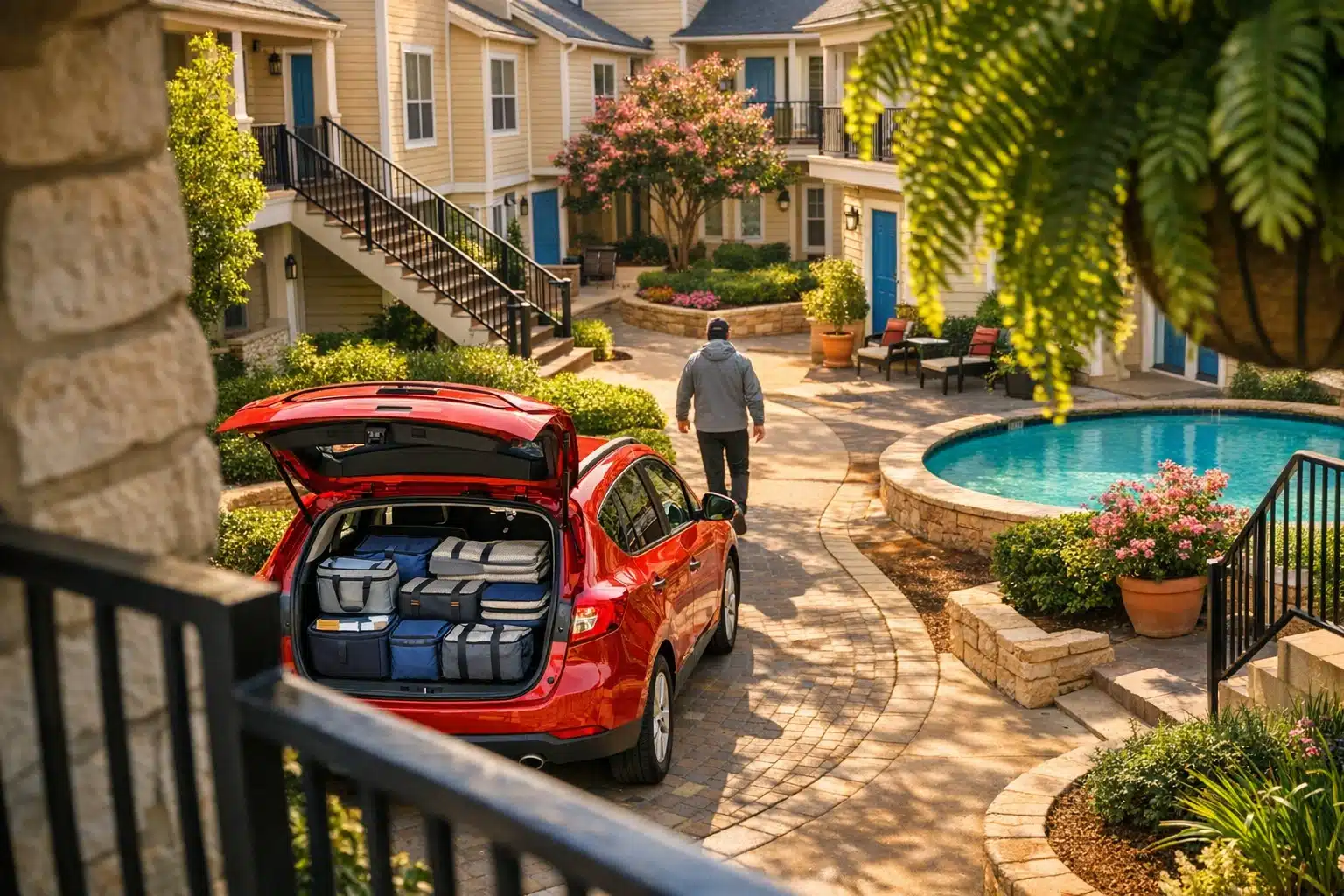
- Insulated bags for temperature-sensitive items
- A simple trunk organizer to prevent crushed groceries
These are not glamorous tools, but they often separate a stressful day from a smooth one. The smartest applicants think beyond the minimum rulebook and prepare for the actual physics of delivery: weight, space, temperature, battery life, and time.
4. Application, Background Check, and Onboarding Process
Once a person understands the basic requirements, the next question is usually practical: how do you actually get started? The application process for Walmart delivery-related work can vary by platform or partner, but the general path follows a familiar pattern. It begins online, moves through identity verification and screening, and ends with account activation, onboarding steps, and access to delivery opportunities if the market has room. In some areas, waitlists may apply, especially when driver supply already matches local demand.
The first step is usually creating an account and selecting a delivery zone or service area. Applicants are often asked for contact details, license information, vehicle details, and proof of insurance. Accuracy matters here more than people think. A mismatched name, outdated address, blurry document upload, or insurance card with expired dates can stall the process. Many application delays are not caused by a deep problem; they happen because one small document issue forces manual review.
After the initial signup, drivers commonly go through a background check. This may include identity verification, review of driving history, and criminal background screening where permitted by law. Timelines can vary. Some applicants move through quickly, while others wait longer because of document verification backlogs or regional review procedures. The process can feel quiet from the applicant’s perspective, but that does not automatically mean something is wrong.
A typical onboarding path may include:
- Creating a driver account
- Submitting license, insurance, and vehicle information
- Consenting to a background check
- Waiting for approval, waitlist placement, or follow-up requests
- Reviewing app instructions and service standards
- Setting up payment and tax information
- Completing first deliveries after activation
One point worth emphasizing is that approval is not the same as readiness. New drivers often treat activation like the finish line, when it is really the opening gate. Before accepting orders, it helps to understand store pickup flow, batch order logic, timing expectations, and customer communication norms. A brief learning curve is normal. The first few trips may feel like assembling furniture without instructions, but the process becomes more intuitive with repetition.
Applicants should also keep expectations realistic. Being approved does not guarantee a fixed number of orders, a steady income every hour, or instant access to the most desirable delivery times. Demand, competition, weather, and local order patterns all matter. That is why the best way to approach onboarding is with a dual mindset: be meticulous with paperwork, then be adaptable once work begins. The systems reward people who can do both.
5. What the Job Is Really Like: Earnings Factors, Daily Demands, and Who It Fits Best
By the time someone reaches this stage of research, the hidden question is usually no longer “Can I qualify?” but “Is this actually worth doing?” That answer depends less on a dramatic promise and more on fit. Walmart delivery driving can suit people who value flexibility, independence, and task-based work. It may be less appealing for those who want fixed hourly predictability, minimal vehicle use, or a workday with fewer moving parts. The role lives in the space between freedom and responsibility, and that balance is what defines the experience.
Earnings are shaped by multiple factors rather than a single flat rate. Order volume, delivery distance, batch size, customer tips, local competition, traffic, and time of day can all affect results. A driver working peak grocery windows in an active suburb may see very different opportunities from a driver in a quieter market with longer travel distances. Fuel prices and car maintenance also matter, because gross earnings can look encouraging until operating costs take their seat at the table.
That is why experienced drivers often evaluate the job through a simple lens:
- How many miles am I driving for each order?
- How much waiting time happens at pickup?
- How often do tips improve the total?
- What does this look like after gas, maintenance, and taxes?
The daily demands go beyond driving. Drivers need to read order details carefully, protect fragile items, communicate when needed, and deliver in a way that matches customer instructions. That may mean finding the correct apartment building at dusk, keeping frozen food separate on a hot afternoon, or placing bags where they will not block a door. The job rewards steady habits more than flashy effort. People who build simple routines tend to perform better than people who improvise everything.
Safety and professionalism also matter more than many new applicants expect. Good delivery work includes defensive driving, attention to weather, respect for private property, and a calm approach to stressful moments. It also means knowing when to decline orders that do not make sense for your vehicle, schedule, or comfort level. Flexibility is valuable, but so is judgment.
So who is this role best for? It can work well for students, part-time workers, parents needing adaptable hours, retirees looking for active supplemental income, or independent workers who already understand mileage tracking and schedule discipline. It may be less suitable for people who dislike uncertainty or who need strong benefits and tightly predictable weekly pay. In the end, the best driver is not simply the person who qualifies on paper. It is the person whose routines, expectations, and equipment match the rhythm of last-mile delivery.
Conclusion for Prospective Drivers
If you are thinking about becoming a Walmart delivery driver in 2026, the smartest approach is to treat the role like a real business decision, not a casual app download. The core requirements are usually manageable: a valid license, an eligible vehicle, insurance, a reliable smartphone, clean documentation, and the ability to pass screening where required. What matters after that is preparation. Drivers who understand the delivery model in their market, choose the right vehicle setup, and keep realistic expectations about costs and demand are in a much stronger position than those who chase vague promises. For the right person, this can be a practical and flexible way to earn. For the unprepared, it can become a lesson in how quickly little details turn into big headaches.