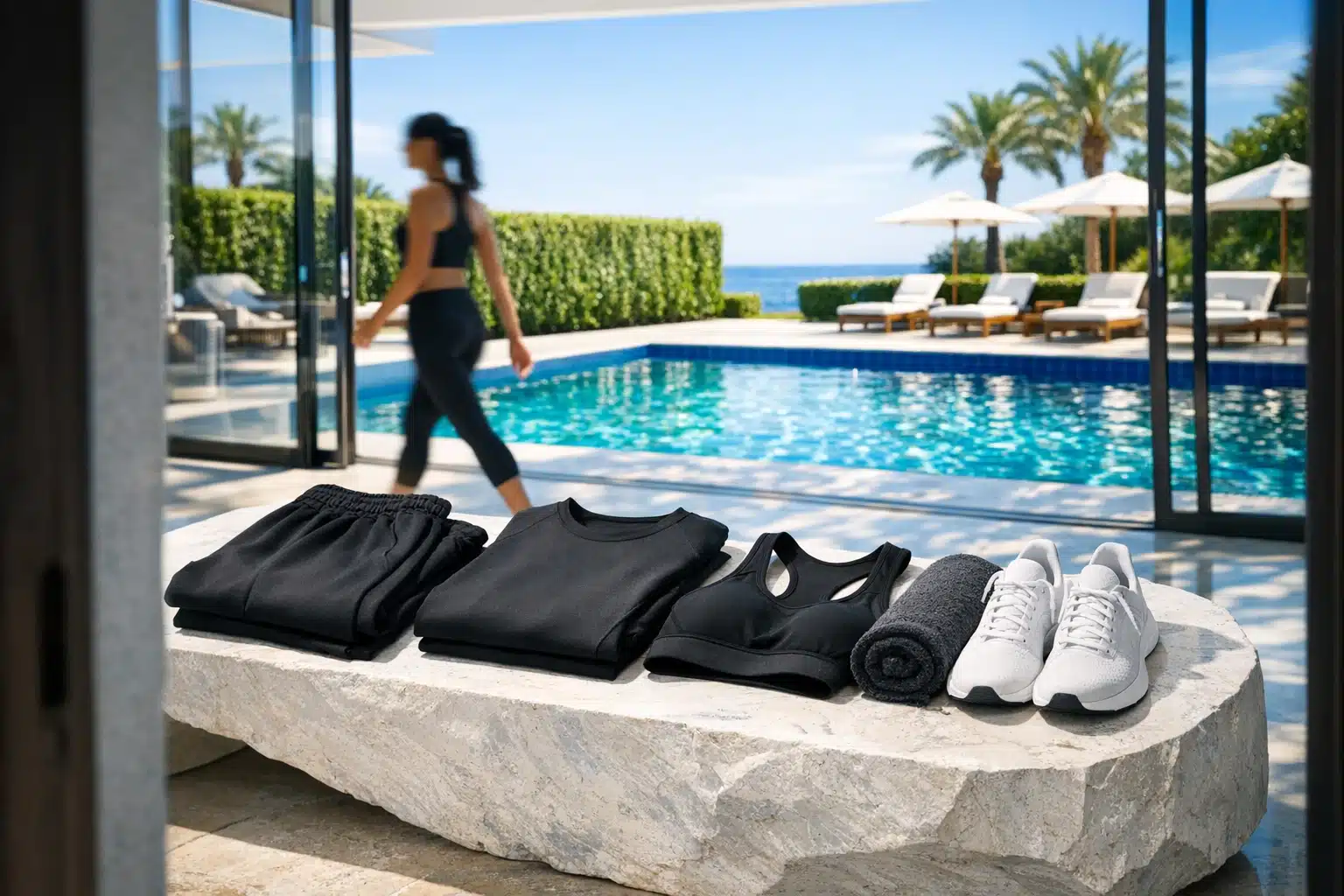
Lululemon Black Friday Discounts: Complete Guide for 2026
For many shoppers, Black Friday is not just another sale weekend; it is the one moment when premium workout gear can slip into a realistic budget. Lululemon sits in that interesting space where fabric technology, fit, and brand loyalty keep prices elevated through most of the year. That is exactly why even a modest markdown on black leggings, hoodies, or training layers draws so much attention. Knowing how those discounts tend to appear can save money, time, and a surprising amount of cart chaos.
Outline
This article moves through five key questions. First, it explains how Lululemon Black Friday pricing typically works and why not every item follows the same markdown logic. Second, it looks at black products specifically, since core neutrals often behave differently from seasonal colors. Third, it shows how to judge whether a discount is genuinely useful rather than simply eye-catching. Fourth, it compares online and in-store strategies for finding the right item at the right moment. Finally, it closes with a practical summary for 2026 shoppers who want value without turning the sale into a full-time job.
How Lululemon Black Friday Discounts Usually Work
Lululemon occupies a premium corner of the athletic apparel market, and that matters because premium brands rarely approach discounting the way mass-market chains do. Instead of dropping every item by a dramatic percentage, they often protect their most reliable products and trim prices more selectively. During Black Friday, that can mean broader markdown visibility, a bigger sale assortment, or short bursts of fresh inventory added to already discounted categories. Shoppers expecting a storewide half-off event are often disappointed, not because the sale is weak, but because the brand’s pricing strategy is built around controlled reductions rather than sweeping clearance.
One useful way to think about the event is as an expansion of existing markdown behavior. Lululemon has long used markdown channels, including the well-known “We Made Too Much” section, to move excess inventory. Around Black Friday, that ecosystem often becomes more interesting. Seasonal colors, discontinued silhouettes, older fabric runs, and select accessories may receive price cuts, while dependable staples remain closer to full price. In practice, the sale can feel like a treasure hunt rather than a straightforward coupon event. The prize is not always the deepest percentage off; sometimes it is finding a premium item in your size before inventory evaporates.
Several patterns tend to show up across premium apparel sales, and Lululemon shoppers often plan around them:
- Core bestsellers may receive lighter markdowns than trend-driven pieces.
- Less common sizes can last longer, while popular sizes disappear early.
- Final-sale rules may apply to markdown items, reducing flexibility.
- Accessories, outerwear, and seasonal layers can offer better percentage cuts than iconic basics.
Timing matters as much as price. In many past sale cycles, shoppers have seen online markdowns broaden around Thanksgiving week, with attention continuing through Cyber Monday. That does not guarantee identical timing in 2026, yet it does suggest that waiting until the exact hour of Black Friday morning is not always the only strategy. Some buyers find value by watching the site in the days around the event, while others do better by visiting a store when staff mark down mixed inventory that does not mirror online selection.
The central lesson is simple: Lululemon Black Friday discounts are usually about selective opportunity, not universal cheapness. If you understand that going in, the event becomes easier to read. Instead of asking, “Is everything on sale?” a smarter question is, “Which products are likely to move from premium to reasonable, and which ones will stay protected because demand remains strong?” That shift in mindset turns Black Friday from a frenzy into a method.
Why Black Lululemon Items Behave Differently from Seasonal Colors
If there is one word that changes the sale equation, it is “black.” In apparel retail, black is not merely a color; it is a utility choice, a styling shortcut, and often the safest pick for repeat wear. In Lululemon’s lineup, black leggings, black bras, black joggers, black hoodies, and black outer layers have a kind of quiet authority. They match almost anything, hide wear better than pale shades, and appeal to first-time buyers as much as longtime fans. That wide appeal gives black products a commercial advantage, and anything with a commercial advantage is usually discounted more carefully.
That is why shoppers often notice a pattern: bright seasonal shades or unusual prints may see deeper markdowns, while black core items move less dramatically. Retail logic explains the difference. If a color can sell steadily at full price across multiple months, there is little incentive to cut it aggressively. A bold lime, a temporary floral print, or a one-season burgundy variation is more vulnerable to markdown pressure because it has a shorter style window. Black, by contrast, can remain useful long after trend cycles change. It is the plain notebook that somehow ends up being the one you reach for every day.
There is also an important distinction between true core black and black-adjacent variations. A classic black version of a permanent legging line may be protected, while a special-edition black pattern, embossed texture, or discontinued fabrication might be discounted more readily. That is where careful product reading matters. Two items may look nearly identical in thumbnail view, yet one belongs to an evergreen program and the other is a seasonal branch.
Black items tend to attract shoppers for several practical reasons:
- They transition easily from workouts to errands and casual wear.
- They are easier to pair with existing shoes, bags, and layers.
- They feel lower-risk for buyers uncertain about louder colors.
- They often have stronger resale appeal than niche shades.
Because demand is usually stronger, sizes in black can disappear quickly when a markdown does appear. This is especially true in common sizes and popular silhouettes. A 20 percent reduction on a black staple may not look thrilling beside a 40 percent cut on a neon print, yet the black item can still be the better deal if it becomes a weekly favorite. That is the paradox at the heart of shopping this category: the most useful products are often the least theatrical in their discounting. They whisper rather than shout, and smart buyers learn to hear the whisper.
What Counts as a Good Discount on Lululemon During Black Friday?
A good discount is not simply the largest number on the tag. For Lululemon, value depends on a mix of markdown depth, wear frequency, fabric preference, fit confidence, and return flexibility. A shopper who grabs a heavily reduced jacket in an untested size may save money at checkout and lose value the moment it sits unworn in the closet. On the other hand, a modestly discounted pair of black leggings that gets worn twice a week can outperform a more dramatic markdown on a less useful item. The smartest Black Friday math begins after the sale sticker, not before it.
Cost per wear is one of the most helpful ways to compare options. Imagine a pair of premium leggings reduced from full price to a somewhat lower but still meaningful amount. If you wear them for running, travel, lounging, and gym sessions all year, the long-term value can be excellent. Now compare that with a fashion-forward layer cut by a larger percentage that only works with one outfit. The second purchase looks more exciting, yet the first may deliver far more real use. Retail psychology loves the thrill of “bigger savings,” but wardrobes reward repetition, comfort, and versatility.
When judging a Black Friday offer, ask a few grounded questions:
- Is this a core item I already know fits my body and routine?
- Would I buy this in a month if it were not on sale?
- Is the markdown large enough to justify a final-sale risk?
- Am I choosing the product, or just reacting to scarcity?
- Would a different color at the same price create more actual wear?
Comparisons also matter. Premium activewear brands do not always need to match broad-market discount percentages to remain competitive, because product expectations differ. Fabric feel, seam construction, movement comfort, and long-term durability all influence perceived value. That does not mean every Lululemon markdown is automatically worth taking. It means a “good” discount may look different here than it would at a chain known for constant promotions. In this category, a smaller reduction on a proven staple can still be a rational purchase.
Another overlooked cost is the total transaction. Shipping fees, taxes, return limitations, and the temptation to add low-priority items just to make the order feel more impressive can quietly reshape the outcome. Sometimes the best discount is the item you planned for in advance, purchased alone, with no extras hitching a ride in the cart. A disciplined buyer may walk away with fewer products and more satisfaction. That is not less successful shopping; it is more precise shopping.
Online Versus In-Store: The Best Tactics for Finding the Right Deal
Black Friday shopping has two distinct personalities. Online shopping is fast, broad, and efficient when you know exactly what you want. In-store shopping is slower, more tactile, and occasionally full of unexpected wins. Lululemon buyers often benefit from understanding both environments because the strengths are different. A website lets you filter by size, color, category, and price in seconds, while a physical store can reveal items, returns, or markdown placements that never appear in the same way online. If you approach both channels with the same plan, you risk missing what each does best.
For online shopping, preparation does most of the heavy lifting. Set up your account in advance, confirm payment details, and build a shortlist with exact product names, sizes, and acceptable colors. Knowing your preferred fabric is especially useful because names alone can be misleading when you are moving quickly. Some shoppers love a buttery soft feel for yoga and lounging, while others prioritize compression and durability for training. Black Friday is not the ideal time to discover that you checked out with the wrong fabric family just because the thumbnail looked familiar.
Online tactics that often help include:
- Saving desired items or product names before sale week begins.
- Checking measurement guides instead of guessing a size under pressure.
- Reading the markdown policy carefully, especially for returns or exchanges.
- Shopping with a budget ceiling rather than a mood-based limit.
- Using multiple tabs carefully instead of scattering attention across too many pages.
In-store shopping has a different charm. You can inspect fabric weight, compare shades under real lighting, and test whether a black item reads true black or slightly washed against other pieces. Stores may also have a different size mix than the website, which can help shoppers who consistently miss out online. Staff cannot create inventory from thin air, of course, yet a calm visit can be surprisingly productive if you know what you are looking for and remain flexible about category. A morning run to the store may yield a jacket, top, or pair of joggers that was buried online among hundreds of listings.
The best strategy for many people is hybrid. Research online, try familiar silhouettes in store when possible, and buy only when price, fit, and purpose line up. Black Friday can feel like a crowded train platform, with everyone leaning forward at once. A plan acts like a timetable. You may still move quickly, but you stop moving randomly. That difference is where better shopping lives.
Conclusion: A Smarter Lululemon Black Friday Plan for 2026
If you are shopping Lululemon during Black Friday 2026, the clearest advantage comes from realistic expectations. This is not usually the kind of sale where every premium staple suddenly becomes cheap. It is more often a selective event where certain categories become notably more approachable, while high-demand basics, especially in black, remain comparatively protected. That does not make the sale disappointing. It simply means success depends less on chasing headlines and more on knowing which products deserve your attention.
For first-time buyers, the safest path is to focus on items with broad usefulness. Black leggings, versatile layers, and straightforward training pieces often earn their place because they can move across different parts of daily life. For returning shoppers, the better move may be to target a gap in the wardrobe rather than repeating what is already hanging there in duplicate. One carefully chosen item that solves a genuine need will usually outperform a pile of markdowns collected in the heat of the moment.
A strong 2026 approach can be summarized in a few practical principles:
- Prioritize function before discount percentage.
- Treat black core items as strategic buys, not fantasy clearance finds.
- Use past fit experience to reduce the risk of non-returnable mistakes.
- Compare online convenience with in-store discovery instead of choosing blindly.
- Leave room for patience, because not every worthwhile buy appears at the first click.
The audience most likely to benefit from this guide is not just bargain hunters. It is also busy professionals, regular gym-goers, casual walkers, frequent travelers, and anyone who wants premium activewear without paying full price unnecessarily. For that group, the goal is not to “win” Black Friday by buying the most. The goal is to finish the weekend with a few excellent choices, a manageable total, and no lingering suspicion that the cart made the decisions for you.
In the end, Lululemon Black Friday discounts reward a composed shopper. Watch black items carefully, weigh utility against markdown depth, and remember that a measured purchase can be more satisfying than a dramatic one. When the sale noise gets loud, clarity becomes its own discount. That may be the smartest thing you carry into checkout.