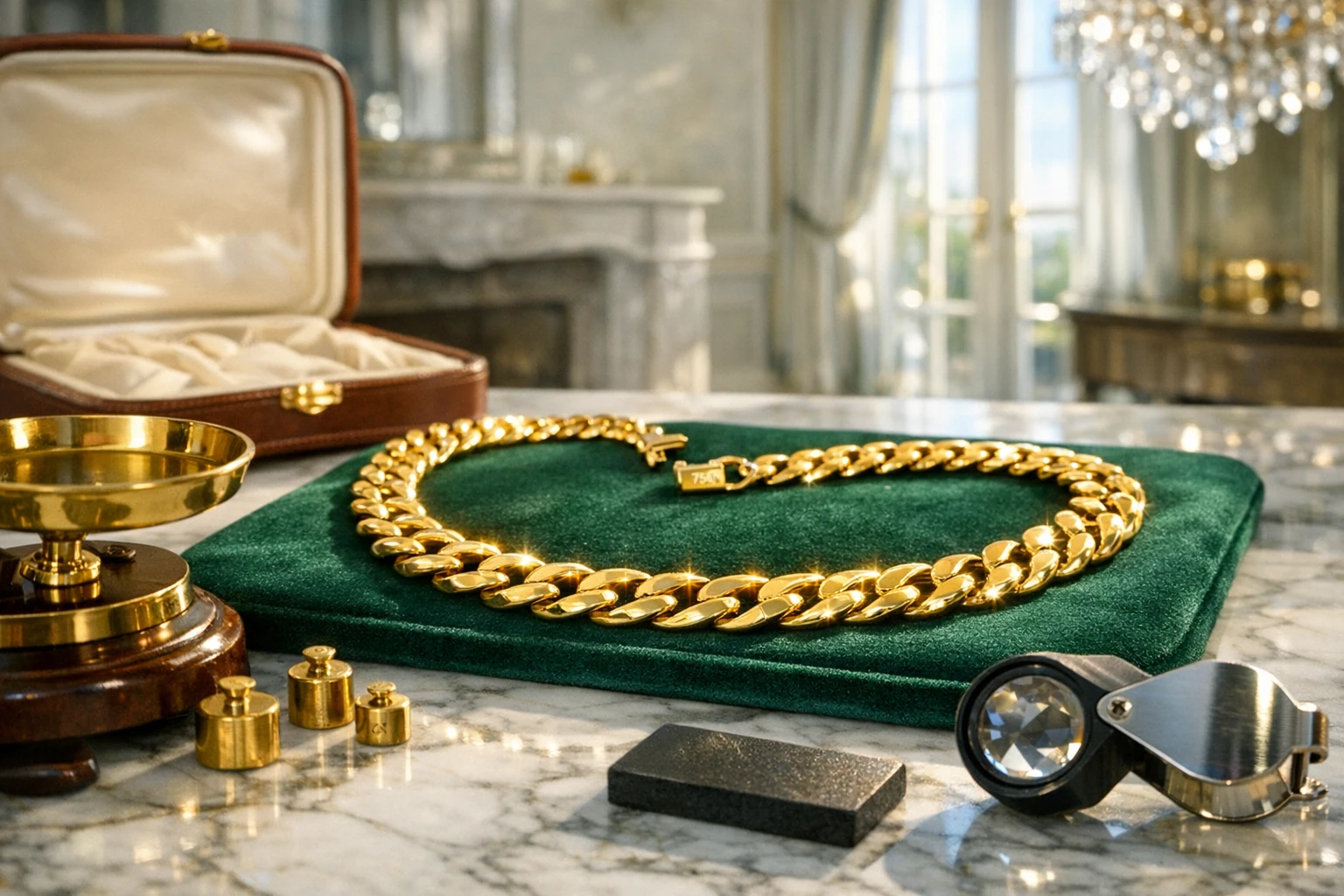
Gold Necklace Value Pawn: Complete Guide for 2026
A gold necklace can hold two prices at the same time: one in the heart and one in the market. When money is needed quickly, a pawn shop often becomes the place where sentiment meets math, and that meeting is not always comfortable. The amount offered depends on more than sparkle, because purity, weight, condition, and resale potential all shape the figure. Knowing how those parts fit together makes the process less mysterious and far less intimidating.
Article Outline: The Roadmap to Understanding Gold Necklace Pawn Value
Before diving into pricing formulas and pawn counter conversations, it helps to know how this topic is best understood. A gold necklace may look straightforward, but its value sits at the crossroads of commodity pricing, jewelry craftsmanship, resale strategy, and short-term lending. That means a useful guide cannot focus on just one angle. It has to connect the metal itself, the real-world behavior of pawn shops, and the choices available to the owner.
This article follows a practical sequence so readers can move from confusion to clarity. First, it explains what creates value in a gold necklace, from karat purity to total weight and design appeal. Next, it shows how pawn shops turn that information into an offer, including the tests they may use and the business reasons their number is often lower than expected. After that, it looks at ways to improve the result, whether the goal is getting a larger loan, negotiating more confidently, or deciding that selling elsewhere makes better sense. Finally, it closes with a realistic decision framework for people who need money, want to protect an item with personal meaning, or simply do not want to be caught off guard at the counter.
Here is the outline in plain terms:
• What makes a gold necklace valuable in the first place
• How pawn shops evaluate gold jewelry and calculate their risk
• What you can do before visiting a shop to protect your bargaining position
• When pawning is useful and when selling may be the stronger option
• How to make a careful final decision based on your money needs and attachment to the necklace
This structure matters because many people walk into a pawn shop with only one question: “How much will I get?” The better question is broader: “How is that amount determined, and does this option truly fit my situation?” Once that shift happens, the process becomes more manageable. Instead of reacting to a number in the moment, you start reading the scene more clearly, almost like lifting a curtain on a stage set. The necklace is still the same object, but the mechanics behind its value are suddenly easier to see.
What Determines the Value of a Gold Necklace
The value of a gold necklace begins with a simple truth: gold is both a precious metal and a finished product. Those are not the same thing. If a necklace is being valued mainly for its metal content, the calculation starts with purity and weight. Purity is usually marked in karats. A 24K item is considered nearly pure gold, 18K is 75 percent gold, 14K is 58.5 percent gold, and 10K is 41.7 percent gold. Weight is commonly measured in grams, and market gold prices are often quoted per troy ounce, with one troy ounce equal to 31.1035 grams.
An illustrative example shows how the math works. Suppose a necklace weighs 20 grams and is stamped 14K. That means the pure gold content is about 11.7 grams, because 20 multiplied by 0.585 equals 11.7. If the current market price of pure gold were hypothetically 75 dollars per gram, the raw metal value would be about 877.50 dollars before any refining cost, dealer margin, or resale discount. That number is not the same as a pawn offer, but it gives a solid reference point.
Several other factors can move value up or down:
• Necklace style and craftsmanship, especially if the piece is wearable and attractive in the current market
• Condition, including broken clasps, dents, stretched links, or obvious repairs
• Presence of gemstones, which may add value only if they are genuine and desirable
• Brand or designer origin, provided authenticity can be supported with receipts, packaging, or hallmarks
• Local demand, since some markets favor plain chains while others pay more for statement jewelry
It is also important to separate sentimental value from commercial value. A necklace passed down from a grandparent may feel priceless, yet a buyer may view it mostly as scrap gold if the style is outdated or damaged. On the other hand, a modern chain in excellent condition could earn more than melt value because it can be resold quickly. That distinction often surprises people. The warm glow of memory does not vanish, but the market usually asks colder questions. What is it made of? How much does it weigh? Can it be resold easily? Those answers form the backbone of value, and every serious appraisal begins there.
How Pawn Shops Calculate an Offer for a Gold Necklace
A pawn shop does not evaluate a gold necklace the way a family member, collector, or retail jeweler might. Its perspective is shaped by lending risk and resale speed. If the transaction is a pawn loan, the shop is advancing cash against collateral and hoping the customer returns to reclaim the item. If that does not happen, the shop must sell the necklace and recover its money, operating costs, and profit margin. Because of that structure, the offer is usually lower than a consumer expects from a retail price tag.
The process often starts with visual inspection. Staff may look for hallmarks such as 10K, 14K, or 18K, examine the clasp and links, and check whether the necklace appears solid, hollow, plated, or heavily worn. They may then weigh it on a jewelry scale. In many shops, stones are considered separately because the gold weight may be reduced by the weight of gems or decorative parts. Testing methods can include acid testing, electronic testers, magnets for quick screening, and in better-equipped stores, X-ray fluorescence devices that estimate metal composition without damaging the piece.
From there, the shop works backward from resale reality:
• What is the likely gold content after testing?
• Is the necklace attractive enough to sell as jewelry rather than scrap?
• How quickly could it sell in that location?
• What fees, storage costs, and state compliance costs apply?
• How much room is needed for market fluctuations in gold prices?
Because of those considerations, pawn offers are commonly a fraction of the necklace’s theoretical market or retail value. A shop might lend based on a percentage of estimated scrap value, especially if the piece is damaged or generic. If the item is stylish, heavy, and easy to resell, the offer may improve. Loan terms vary widely by state and by store, and they may include interest, service charges, storage fees, and a specific redemption period.
This is why two shops can produce noticeably different numbers for the same necklace. One may focus almost entirely on melt value. Another may see a resellable piece that belongs in the display case rather than the refinery pile. At the counter, the necklace is not just being weighed; it is being translated into risk. That translation is where expectation and reality often part ways.
How to Improve Pawn Value and When Selling Might Be Better
If you plan to pawn a gold necklace, preparation can change the outcome. Not every difference will be dramatic, but small steps can improve both the offer and your confidence. Start by identifying the basics yourself. Check for karat stamps, weigh the necklace if you have an accurate gram scale, and review current gold prices from reputable financial or bullion sources. You do not need to become a metals expert overnight, but walking in with a rough estimate helps you recognize whether an offer is reasonable.
Presentation matters too, though not in the way many people assume. A pawn shop is not likely to pay more simply because the necklace is polished to a showroom shine. However, bringing the necklace clean, untangled, and paired with any relevant documentation can help the process move faster and support a stronger case for value. Receipts, original packaging, certificates, and proof of brand authenticity may matter if the piece has resale appeal beyond melt value.
Useful preparation steps include:
• Visit more than one pawn shop and compare offers before accepting the first number
• Ask whether the quote reflects scrap value, resale value, or a loan amount based on collateral
• Read the ticket or contract carefully for interest, fees, renewal terms, and the final redemption date
• Bring identification and any paperwork that supports ownership and authenticity
• Avoid rushed decisions if the necklace has sentimental importance that may lead to regret later
It is equally important to decide whether pawning is the right route at all. Pawning works best when you need short-term cash and have a realistic plan to repay the loan and retrieve the item. Selling may be better when the necklace is no longer meaningful to you, when the fees on a loan would become burdensome, or when a jewelry buyer, refinery, consignment shop, or private market can offer a clearly higher price.
Think of it this way: pawning buys time, while selling ends the relationship. That difference is not just financial. For some people, a necklace is a backup fund. For others, it is a family story resting quietly in metal and clasp. The smart move depends on whether you need temporary breathing room or permanent cash, and whether you can accept the possibility of not getting the item back.
Conclusion for Borrowers and Sellers: Making the Right Decision
If you are considering pawning a gold necklace, the strongest position is not built on luck or charm. It is built on information. Once you understand karat purity, gram weight, gold market pricing, and the business logic behind pawn lending, the offer in front of you becomes easier to interpret. You may still dislike the number, but at least you can see where it comes from and whether it fits the realities of the item.
For most readers, the key takeaway is this: a pawn value is not a universal truth about your necklace. It is a situational price shaped by the shop’s need for a safety margin. That is why comparison shopping matters. One store may see a scrap chain; another may see a resellable piece with better margin. Taking an extra hour to gather quotes, ask direct questions, and review contract terms can make a meaningful difference.
Keep these final points in mind before making your choice:
• Use pawning when you need short-term cash and are confident you can repay on time
• Consider selling if fees would pile up or if you no longer want the necklace back
• Treat sentimental pieces more carefully than purely financial assets
• Do not let pressure, embarrassment, or urgency push you into accepting unclear terms
• Ask for every fee in writing and confirm exactly what happens if the loan is not redeemed
A gold necklace often looks quiet, but financially it can speak in several voices at once: metal value, style value, memory value, and loan value. Your job is to decide which voice matters most right now. If immediate cash is the priority, a pawn shop can be useful. If maximizing proceeds is the goal, other selling routes may outperform it. If the necklace carries family meaning, waiting or finding another source of funds may protect you from a choice that feels practical today and painful later. In the end, the best decision is the one that matches both your numbers and your nerves.