Labeling Jobs Packaging: Complete Guide for 2026
Packaging may seem quiet from the outside, yet it is where product safety, shipping accuracy, and brand credibility meet in plain sight. A label tells a warehouse where to send a case, tells a shopper what is inside, and tells regulators whether required information is present. That makes labeling jobs more important than they first appear, especially in 2026 as supply chains become faster, leaner, and more data driven. This guide unpacks the people, tools, and standards behind the sticker, carton, code, and scan.
Outline: This article covers five core areas: the day-to-day reality of labeling jobs, the foundations of packaging systems, the role of packaging labeling in compliance and communication, the skills and career paths shaping the field, and a practical conclusion for job seekers and packaging teams.
1. Labeling Jobs: What the Work Looks Like in Real Operations
Labeling jobs are often described too narrowly, as if the work starts and ends with applying stickers to boxes. In reality, the field includes a wide range of positions across manufacturing, warehousing, food processing, cosmetics, pharmaceuticals, retail distribution, and e-commerce fulfillment. A labeling associate may load label rolls, verify product codes, inspect print quality, clear minor jams, and record production counts. A labeling machine operator may adjust sensors, calibrate print settings, and coordinate with maintenance or quality teams. In more regulated environments, a labeling coordinator or quality technician may review approved artwork, compare batch records, and confirm that lot numbers, expiration dates, and regulatory statements match the production order. The job matters because labels are not decoration alone; they are instructions, proof, and traceability wrapped into one.
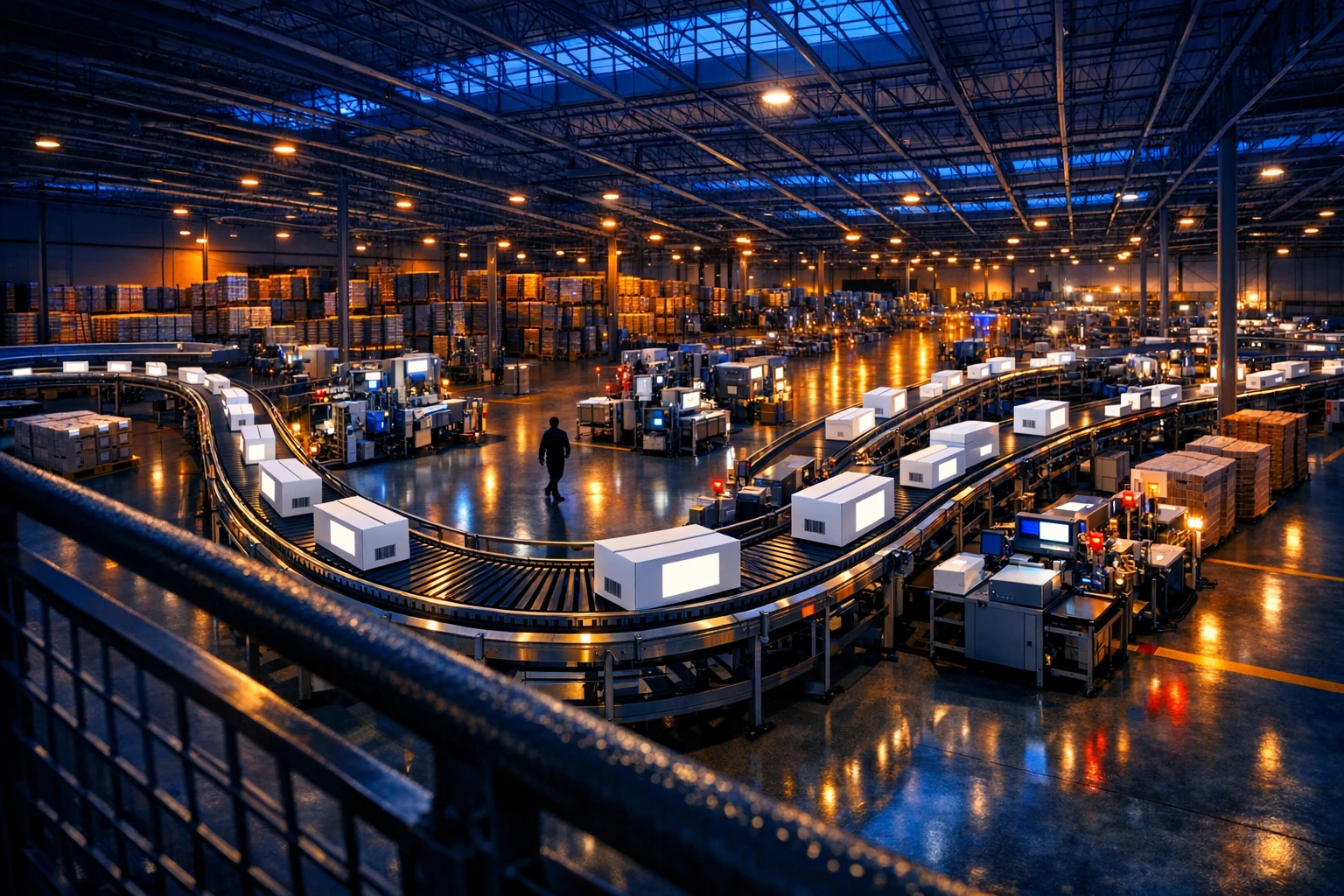
The daily routine varies sharply by workplace. In a small local food company, one worker may handle setup, labeling, and final packing in the same shift. In a high-volume consumer goods plant, tasks are divided more strictly to reduce risk and maintain speed. Manual labeling still exists, especially for short runs, seasonal packs, or artisan products, but automated lines dominate larger operations because they improve consistency and throughput. Common responsibilities include: - checking the SKU against the work order - loading labels, ribbons, or ink supplies - verifying barcode readability and print placement - removing damaged or mislabeled units - documenting downtime, waste, and rework - keeping the station clean and audit ready
Good labeling work requires concentration because a small mistake can travel far. A carton with the wrong language panel may be rejected by a retailer. A shipping label that does not scan can slow an entire outbound batch. A missing batch code can complicate traceability during a recall. That is why employers look for reliability, visual accuracy, and the ability to follow standard operating procedures without cutting corners. There is also a physical side to the job: standing for long periods, lifting materials, monitoring moving equipment, and working on timed production schedules. Yet for many people, labeling roles offer a valuable entry point into manufacturing and supply chain careers. They teach discipline, documentation, machine awareness, and process thinking. In that sense, the label is small, but the lesson is big: precision is a habit, not a moment.
2. Packaging Fundamentals: Materials, Functions, and Workflow
Packaging does far more than make a product look presentable on a shelf. Its first job is protection, but it also supports storage, transport, tamper evidence, branding, information display, and operational efficiency. A useful way to understand packaging is to divide it into three levels: - primary packaging, which directly contains the product, such as a bottle, pouch, tray, or jar - secondary packaging, which groups units for sale or handling, such as cartons or shrink-wrapped multipacks - tertiary packaging, which protects goods in transit, such as pallets, stretch wrap, and shipping cases
Each level influences cost, durability, labeling needs, and line design. For example, a fragile glass bottle may look premium, but it changes packing speed, case counts, protective inserts, and transport risk. A flexible pouch may reduce material use and shipping weight, but it often requires specialized sealing and print control. Corrugated board remains common for shipping because it balances strength, printability, and cost. Plastics remain widespread because they are lightweight and versatile, although sustainability pressure continues to push companies toward recycled content, right-sized packs, and easier material recovery. Metal and glass still matter where barrier protection, heat resistance, or product image are priorities. In other words, packaging is a constant negotiation between protection, efficiency, cost, compliance, and customer expectations.
The workflow behind packaging is equally important. It usually begins with product and packaging specifications, then moves through material sourcing, line setup, filling, sealing, coding, labeling, inspection, case packing, palletizing, and shipment preparation. Every step can affect the next one. If carton dimensions drift slightly, labels may apply off-center. If product fills vary, cases may not close properly. If artwork changes are not controlled, old labels can remain on the floor and create mix-up risks. This is why packaging teams often work closely with procurement, quality assurance, maintenance, production planning, and warehouse staff. Think of packaging as the bridge between making a product and sending a promise to the market. When that bridge is built well, goods move cleanly and customers rarely think about it. When it is weak, the entire operation feels the vibration.
3. Packaging Labeling: Accuracy, Compliance, and the Technology Behind It
Packaging labeling sits at the intersection of information and motion. It is the process of attaching or printing the data that helps a product travel, sell, and comply with rules. Some labels are brand facing, designed to attract a shopper and communicate features. Others are operational, created for scanners, warehouses, transport carriers, or internal tracking systems. Many products need both. A retail carton might carry a logo, ingredients, usage instructions, warnings, recycling icons, a barcode, a lot code, and a best-before date. A shipping case may add case counts, destination data, SSCC style logistics identifiers, and handling marks. The humble label is doing several jobs at once, like a passport, instruction sheet, and receipt folded into a thin layer of paper or film.
Different industries place different demands on labeling. Food and beverage labels must communicate ingredients, allergens, net quantity, and date information clearly. Pharmaceutical and medical product labels often require tighter version control, serialization, and documentation because traceability is critical. Cosmetics labels typically focus on ingredient disclosure, usage guidance, and brand presentation. Industrial products may prioritize hazard communication, part numbers, and durability in harsh environments. Across sectors, a few elements tend to matter most: - product identity and variant - barcode or QR code readability - batch or lot traceability - date coding accuracy - legal and language compliance - resistance to moisture, abrasion, heat, or chemicals where needed
Technology has transformed the labeling stage. Direct thermal and thermal transfer printers are common for logistics labels, while inkjet and laser coders are frequently used for variable data such as dates and batch numbers. Print-and-apply systems can label cases and pallets automatically at speed. Vision systems and barcode verifiers help inspect placement, readability, and data match before products leave the line. By 2026, more operations are linking labeling equipment with production software, warehouse systems, and digital records to reduce manual entry and strengthen traceability. This matters because many costly labeling failures begin with simple mismatches: the wrong label roll loaded for a product, outdated artwork left in circulation, or line changeovers performed too quickly.
Strong packaging labeling is not only about avoiding mistakes. It also improves efficiency and trust. Clear labels reduce picking errors, speed receiving, support recalls, and help customers understand what they bought. Poor labels do the opposite: they create confusion, rework, returns, and sometimes regulatory headaches. For businesses, that means labeling should be treated as a control point rather than an afterthought. For workers, it means the task deserves respect. One scan that works on the first pass is often invisible. One that fails can stop a line like a pebble in a gear.
4. Skills, Training, and Career Growth in Labeling and Packaging
One reason labeling and packaging work attracts a wide range of applicants is that entry routes are flexible. Some roles are accessible with basic training, especially in warehouse, packing, or line support environments. Others require experience with regulated documentation, machine setup, or quality systems. What employers usually value most is not glamour but discipline. The ideal candidate notices detail without losing pace, follows procedure without drifting, and understands that accuracy protects both the company and the customer. In many plants, strong performers are the people who can keep output steady while staying calm during changeovers, material shortages, or inspection holds. That mix of consistency and composure is highly employable.
The skill set itself is broader than many people expect. Useful technical and workplace skills include: - reading work orders and product specifications - understanding basic machine controls and safety rules - recognizing label defects, smudges, misalignment, and print failures - handling batch records or digital production logs - performing line clearance and changeover checks - communicating clearly with supervisors, quality staff, and maintenance teams
As automation expands, digital familiarity becomes more valuable. Workers may interact with touchscreen HMIs, barcode scanners, labeling software, warehouse systems, or vision inspection equipment. Employers in food, medical, and chemical sectors may also expect knowledge of good manufacturing practices, sanitation, or documented quality processes. Training can come from vocational programs, employer onboarding, safety courses, lean manufacturing initiatives, or on-the-job mentoring. Formal degrees are helpful in engineering, operations, or quality roles, but they are not the only route forward.
Career progression is often more practical than dramatic, but it can be solid. A person may start as a packer or labeling associate, move into machine operation, then progress to line lead, quality technician, planner, supervisor, or packaging specialist. Some move toward artwork control, regulatory coordination, procurement, or continuous improvement roles. Pay levels vary by industry, shift pattern, region, and complexity of the work, with regulated sectors and technical operator roles often paying more than basic hand application tasks. For job seekers in 2026, the strongest strategy is to show measurable reliability: low error rates, comfort with procedures, willingness to learn equipment, and a clear understanding that packaging is part of product quality, not just the final wrap. In a labor market full of broad claims, that practical credibility stands out.
5. Conclusion for Job Seekers and Packaging Teams
For anyone exploring labeling jobs, the biggest takeaway is simple: this is work with real operational value. It may look repetitive from a distance, but up close it combines accuracy, timing, product knowledge, and process control. If you are a job seeker, that is good news. It means the field rewards dependable habits more than flashy language. Employers need people who can match labels to products, keep records straight, spot defects early, and respect the chain of custody that moves goods through a facility. Even entry-level roles can become stepping stones into quality, machine operation, inventory control, or supervision when performance is consistent. A neat resume helps, but a reputation for precision helps more.
For businesses and hiring managers, the lesson runs in parallel. Packaging and packaging labeling should not be treated as the last easy step before shipping. They are final control points with direct effects on returns, retailer compliance, scanning success, customer trust, and traceability. Investing in better training, clearer standard operating procedures, controlled label storage, and smarter inspection systems usually pays back through fewer errors and less rework. Teams also benefit when they understand the difference between speed and haste. Fast lines are valuable, but lines that produce relabeling, rejected pallets, or complaint-driven returns are not truly efficient. The strongest operations build a culture where operators feel responsible for quality and have the authority to flag mismatches before they spread.
If you sit on either side of the table, as an applicant or as an employer, 2026 is a good time to pay closer attention to this field. Product variety is growing, market requirements are changing, and traceability expectations are becoming more demanding. That makes labeling and packaging more central, not less. A few practical priorities are worth remembering: - learn the basics of product identification, barcode use, and batch control - respect line clearance and changeover discipline - treat packaging materials and labels as controlled assets, not loose extras - build communication between production, warehouse, and quality teams - view accuracy as a productivity tool, not a slowdown
In the end, the label on a box may be thin, but the system behind it is substantial. For readers considering a career move, improving a plant, or simply understanding how products reach the market cleanly and correctly, that is the real story worth following.